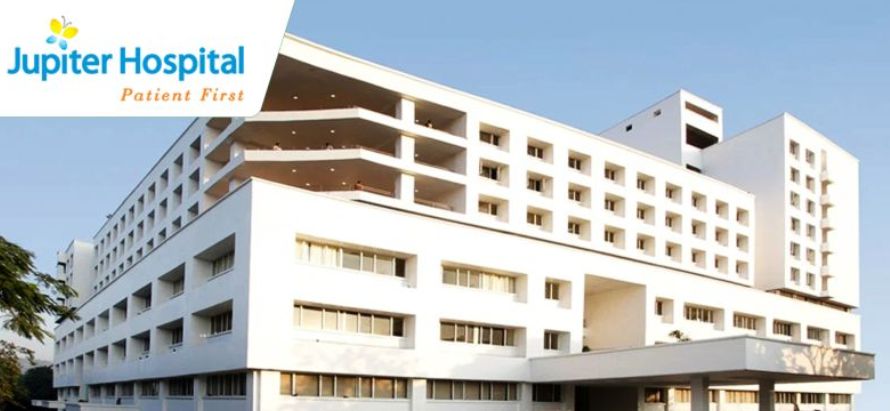
Jupiter Life Line Hospitals is launching a massive expansion across Maharashtra. With plans to invest ₹1,400 crore, it aims to scale its bed capacity from about 1,061 to 2,500, build three new hospitals, and serve fast-growing suburbs that currently lack advanced tertiary care.
Glimpse:
Jupiter Life Line is investing ₹1,400 crore to ramp up its healthcare delivery in Maharashtra by 2029. They will build new greenfield hospitals in towns such as Dombivli, Mira-Bhayandar, and Pune (Bibwewadi), bringing in 1,300-1,400 new beds. Their capacity now is around 1,061 beds across existing facilities; after the expansion, they expect to have about 2,500 beds. The bed additions will come through a mix of new hospitals and expansion of existing ones. Key projects include a ₹400 crore, 300-bed hospital in Ghodbunder (Thane) targeting underserved suburbs. Funding will primarily be through internal accruals with some debt; they are avoiding big external equity for now.
Maharashtra is getting a major healthcare boost. Jupiter Life Line Hospitals has laid out a plan to invest roughly ₹1,400 crore in expanding its infrastructure and capacity across the state.
Right now, Jupiter has around 1,061 beds spread over its hospitals in Thane, Pune, and Indore. The plan is to nearly double that to about 2,500 beds by 2029. To do that, they’re building three large new hospitals: one each in Dombivli, Mira-Bhayandar, and Pune. Each site is chosen strategically these are suburbs and regions growing rapidly, but with insufficient access to high-quality tertiary care.
One standout project: a 300-bed greenfield hospital in Ghodbunder-Mira Road, Thane, with an investment of ₹400 crore. The idea is to serve the neighboring communities of Dahisar, Mira Bhayandar, Vasai-Virar areas that often require residents to travel long distances for specialty healthcare.
Jupiter is financing mostly from its own profits and cash reserves, supplemented by moderate debt. They believe this path gives them more control over project quality and execution timelines. One example is the Dombivli hospital, already underway with its first phase (200-250 beds) expected by Q1 of fiscal year 2027.
What this expansion promises: increased access in suburbs, reduced travel burden for patients from peripheral zones, improved specialty care in places outside the main metro hubs, and improved utilization of modern infrastructure. Challenges will include getting regulatory approvals, staffing skilled healthcare professionals, ensuring sustained occupancy, and managing project costs.