Glimpse:
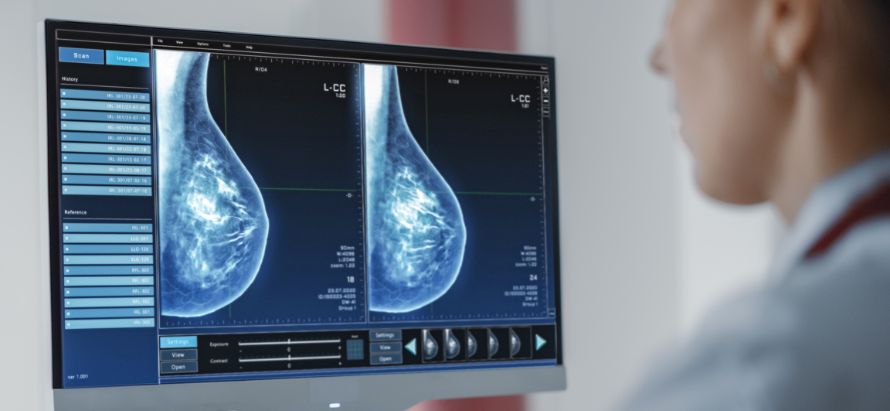
To strengthen early detection of breast cancer, West Bengal is launching a mobile app and AI protocol developed in collaboration with IPGMER and an IT partner. ASHA workers will collect basic inputs such as presence of a lump, nipple discharge, or skin changes and feed them into the app. The AI model will assess risk and classify cases into “high-risk” and “low-risk” categories. High-risk women will be referred for ultrasound, and possibly mammography; low-risk women will be monitored. The app will also maintain records of patient details and test results across state hospitals. Training for ASHA workers is planned, and the initiative is expected to roll out within five to six months.
In a promising move to catch breast cancer earlier, the health department in West Bengal is developing a mobile app and AI protocol designed to empower ASHA workers in both rural and urban areas to act more swiftly.
Here’s how it works: ASHA workers will collect a few basic data points presence of a lump, breast discharge, skin abnormalities or pain. These inputs will be run through an AI model to calculate risk. If someone is flagged as “high risk,” the app will prompt an ultrasound; if necessary, a referral for mammography. Low-risk individuals will not be ignored they’ll be monitored regularly.
The project is being built in collaboration with IPGMER (a prominent medical institute) and a technology firm, with the government providing funding. Another component is building an app module to track individuals’ personal details, diagnostic test results, and follow-ups across state-run hospitals so that cases do not slip through the cracks.
One of the key pieces is training: ASHA workers will be trained to use the app properly, identify signs accurately, and counsel women about next steps. The government expects the system to be operational in about five to six months.
This initiative builds on earlier campaigns like “Pink Month” for breast cancer awareness and results from screening efforts such as the “pink corridor,” which has already screened millions of women, identified tens of thousands of suspects, and confirmed hundreds of cases. With this new tool, the aim is faster triage, fewer missed cases, less burden on specialized facilities, and better outcomes especially for women in under-served areas where access is limited.
Still, there are challenges: ensuring the AI model is accurate and unbiased; making sure the app works well even in areas with poor internet or mobile connectivity; ensuring privacy and consent in data collection; and the capacity in secondary/tertiary care facilities to handle referrals. But if implemented well, this could be a significant step forward in bringing cutting-edge detection closer to the doorstep of those who need it most.