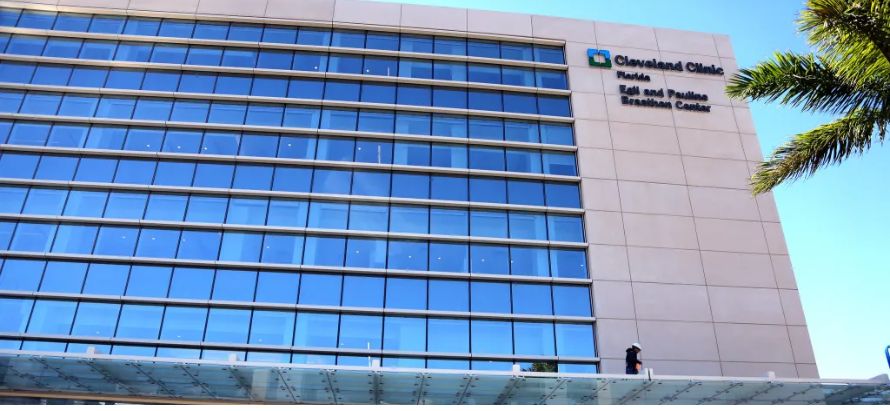
The Cleveland Clinic has entered a pioneering partnership with DASI Simulations to develop artificial intelligence driven tools aimed at advancing structural heart care. The collaboration focuses on creating an AI “co-pilot” system that will assist cardiologists in real time during procedures such as transcatheter aortic valve replacement (TAVR), improving accuracy, safety, and patient outcomes.
Using DASI’s advanced simulation platform, the technology will convert standard CT scans into dynamic 4D predictive models that replicate a patient’s heart anatomy and behavior. This allows physicians to anticipate potential complications before surgery and make real-time decisions during the procedure. The system is expected to reduce risks like valve misplacement and post-operative leaks while enhancing overall procedural efficiency.
Cleveland Clinic’s partnership with DASI reflects the growing integration of AI and simulation into personalized medicine. By combining clinical expertise with predictive modeling, the initiative aims to bring precision, consistency, and data-driven insight into complex heart interventions.
Teri Sirset, CEO of DASI Simulations, said the collaboration marks a new era in heart care, blending advanced physics-based simulations with AI to empower clinicians. The two-year program is expected to set a benchmark for AI-assisted treatment planning, reinforcing Cleveland Clinic’s leadership in global cardiovascular innovation.