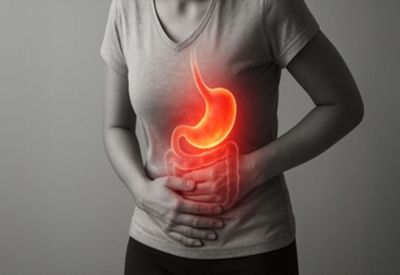
Irritable Bowel Syndrome (IBS) is increasingly seen not as a disease driven by structural damage, but as a disorder rooted in how the gut and brain interact. The so-called gut-brain axis plays a major role the enteric nervous system of the gut is deeply connected with the central nervous system, sharing neurotransmitters and response circuits. For many patients whose symptoms have failed to respond fully to medications or diet alone, behavioural therapies are now offering a potent alternative.
One of the most studied methods is gut-focused cognitive behavioural therapy (GI-CBT). In GI-CBT, therapists work with patients to identify negative thought patterns, fear of symptoms, avoidance behaviours and incorrect interpretations of gut sensations. Through re-framing, coping skills, and gradual exposure, the approach aims to reduce the hyper-vigilance that often amplifies pain and discomfort. Meanwhile, gut-directed hypnotherapy involves guided sessions to help patients re-regulate gut responses and reduce the “amplifier” effect by which stress triggers gut distress.
Recent research even shows that the benefits of behavioural therapies may reflect underlying biological shifts. A landmark study found that IBS patients who responded well to CBT exhibited changes in brain connectivity, white-matter microstructure, and shifts in gut microbiome composition outcomes that suggest the therapy goes beyond “just thinking differently” and actually modifies brain-gut-microbiome interactions. This has important implications: rather than treating symptoms in isolation, the therapy addresses the broader network of brain, gut and microbes.
Importantly, behavioural treatments have demonstrated efficacy comparable to, or in some cases stronger than, standard therapies especially for patients whose IBS has persisted despite usual care. Guidelines increasingly recommend them as part of a multidisciplinary approach. The practical takeaway is that for many IBS sufferers, therapeutic support addressing thoughts, behaviours, stress and coping should be considered alongside diet and drugs, not after these fail.