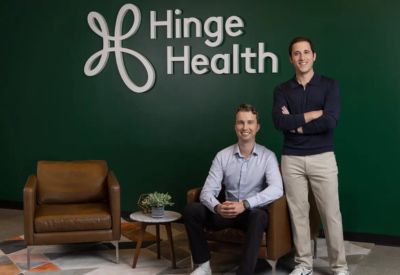
At the HLTH 2025 conference in Las Vegas, innovators across the digital-health landscape showcased next-generation solutions aimed at prevention, early detection and value-based care. Hinge Health announced its AI-powered movement analysis platform for musculoskeletal (MSK) conditions, deploying computer-vision analytics to assess joint angles, symmetry, endurance and generate a “Hinge Score” for joint health. In parallel, the company launched “Robin”, an AI care assistant providing real-time monitoring, triage and summary for clinicians. Hinge’s CEO Dan Perez stated that this empowers both member and care team with data-driven insight.
Wearable-technology specialist Oura meanwhile revealed its ambitions to detect early signs of hypertension via the Oura Ring and related algorithms. The company is analysing data from hundreds of thousands of users in its Oura Labs beta programme to refine predictive models across age, gender and health conditions. Oura’s CEO Tom Hale noted that this initiative dovetails with insurer partnerships (e.g., Medicare-Advantage access) and broader preventive-care deployment.
Risant Health, emerging from the acquisition of Geisinger by Kaiser Permanente, shared early performance metrics from its value-based care platform. CEO Jaewon Ryu highlighted that the system’s “Intelligent Triage” tool cut unnecessary emergency-department visits by 21 %, halved ED boarding times and reduced self-reported clinician burnout by 40 %. The message: preventive, data-enabled systems are driving measurable improvements in both care quality and workforce well-being.
Collectively, these announcements underscore a shift in digital health from reactive treatment to proactive prevention and early-intervention models. As major players push AI, wearables and value-based systems into large-scale deployment, questions remain around data privacy, integration into clinical workflows, reimbursement models and demonstrable outcomes. Nonetheless, HLTH 2025 affirmed that the technological, clinical and business pieces are aligning in ways that could transform health delivery.