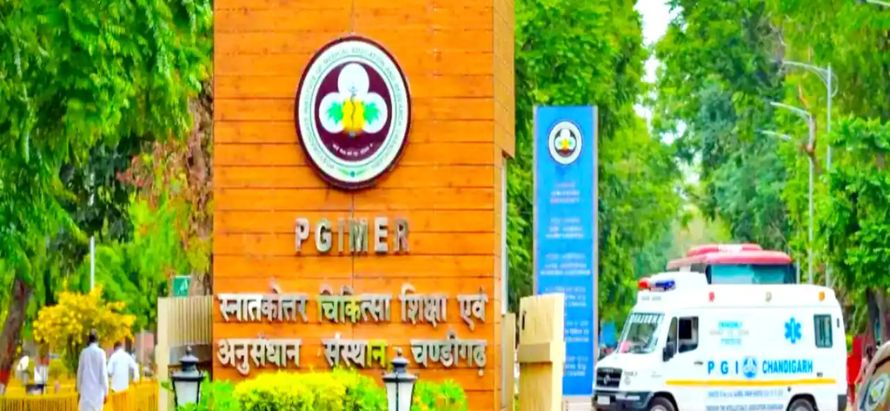
At its Advanced Eye Centre, PGIMER in Chandigarh is pioneering a breakthrough model of eye care that places diagnostic initiation in the hands of the patient. The system is built on mobile technology and artificial intelligence, enabling patients to use their smartphones to photograph their eyes, log a narrative of symptoms and past health issues, and submit the data for analysis by the AI tool used by PGI. The aim is to simplify access especially for patients in remote or underserved regions by eliminating the need for costly fundus cameras or pre-setting technician-led peripheral vision centres.
In its pilot phase, the AI-enabled platform focused on glaucoma detection and has already been validated internally. PGI officials believe this approach will expand to cover a wide range of eye conditions and ultimately integrate into a larger semi-automated care model combining mobile screening, remote review and follow-up consultations. The project is part of a larger Rs 98 crore vision-centre extension of the Advanced Eye Centre dedicated to bringing advanced eye‐care access to remote populations.
The rationale behind the initiative arises from two key insights: first, that conventional tele-ophthalmology models still often require expensive equipment and trained personnel on site; second, that a patient’s narrative of symptoms and health history contains rich diagnostic value that is frequently under-used in technology-led screening. PGI’s head of AEC noted that the mobile platform mixes image data with AI-analysed patient stories to deliver a more holistic preliminary screen
If fully deployed, this system could reduce barriers for early eye-disease detection, shorten referral time, and improve outcomes especially where access to specialist care is limited. The next steps will require validation of the AI tool across more conditions, integration with follow-up workflows and securing regulatory and operational readiness at a full-scale roll-out.