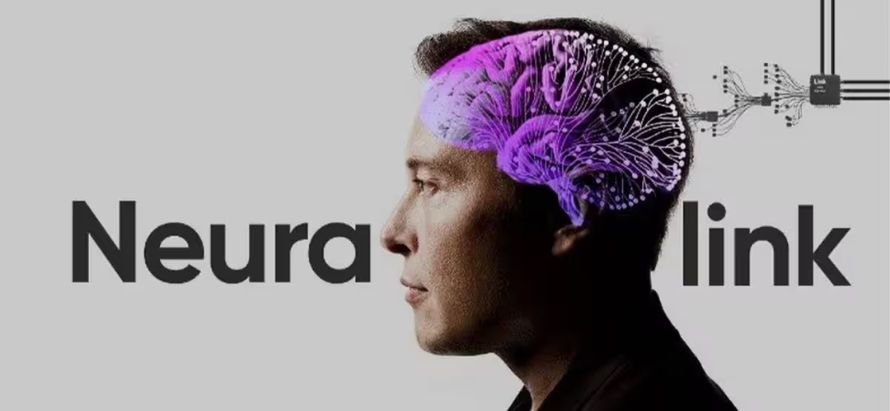
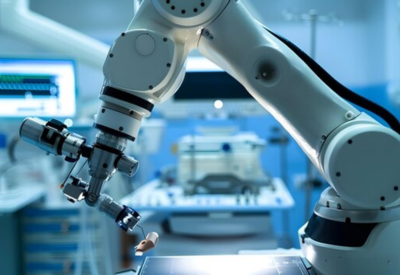
Neuralink, the neurotechnology company founded by Elon Musk, has taken a significant step by expanding its human brain-implant trials into the UK. The procedure, performed at UCLH, involved a participant with motor-neuron disease receiving the N1 implant a fully implantable brain-computer interface (BCI) that uses ultra-thin threads and a robotic insertion device.
According to UCLH, the patient was able to control a computer cursor with their thoughts on the very first day after the surgery and has since begun working with Neuralink engineers on further applications such as play and communication.
This trial is part of the GB-PRIME study, which is designed to evaluate safety and functionality of the N1 implant in individuals with severe paralysis or motor-neuron disease. The study is being conducted at UCLH and Newcastle Hospitals NHS Foundation Trust.
The UK effort follows U.S. trials that began in 2024, and marks the first European clinical application of Neuralink’s technology. The company’s aim is to restore digital and physical autonomy to people who have severely limited or no control over movement.