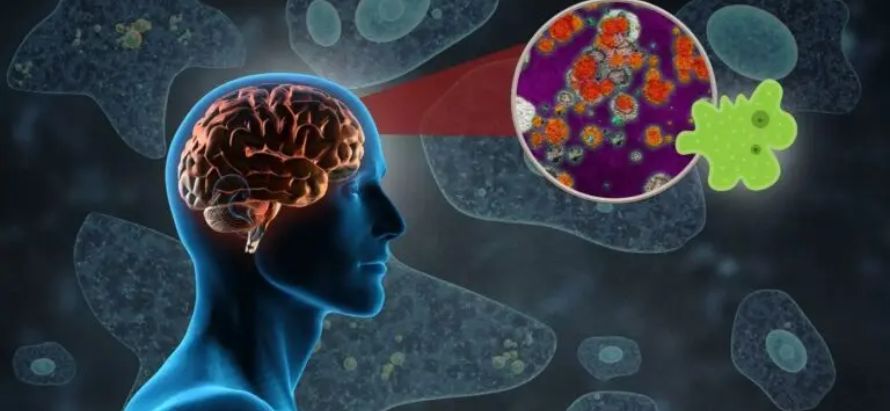
The southern Indian state of Kerala, already grappling with an alarming rise in infections caused by Naegleria fowleri commonly called the “brain-eating amoeba” has stepped up its response by launching a joint investigation with the Indian Council of Medical Research (ICMR). According to state health data, some 69 confirmed cases and 19 deaths have been reported this year, significantly higher than in previous years.
Unlike past instances which often involved identifiable clusters around a single contaminated water source, recent cases are appearing across various districts and water bodies, complicating containment efforts. State Health Minister Veena George acknowledged that “we are not seeing clusters linked to a single water source these are single, isolated cases,” which means tracing and remediation are more challenging.
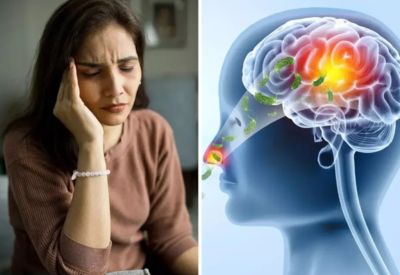
Under the new initiative, field teams from ICMR and Kerala health authorities will sample surface water (ponds, wells, rivers), household water tanks, municipal supply systems, and public bathing spots. They will also interview affected patients and map travel/exposure history to identify temporal and geographical infection patterns. The aim is to build a database that links environmental presence of the amoeba with human exposure events. The CDC notes that Naegleria fowleri thrives in warm fresh water and typically enters the human body through the nose during nasal immersion in contaminated water.
In parallel, the study will examine infrastructural factors such as water-treatment protocols, chlorination levels, public-awareness gaps, and local behavioural patterns such as swimming in natural freshwater bodies or ritual nasal irrigation with untreated water. Health officials hope the findings will lead to targeted interventions: specific water-body closures, improved municipal chlorination, upgraded public-utility monitoring, and risk-communication campaigns emphasising nasal protection, safe swimming practices, and early recognition of symptoms (headache, fever, vomiting, confusion).