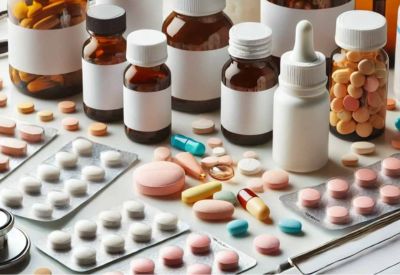
The Drugs Control Administration of Telangana, working in coordination with the CDSCO, has flagged at least ten drug formulations as sub-standard in recent batch-quality tests. These failures span a variety of medications ranging from antibiotics and painkillers to other essential generics and were identified during scheduled state-level inspections.
As per official records, the drugs failed critical parameters such as assay (active ingredient concentration), dissolution (how the drug releases in the body) and description/presentation (label, packaging standards). These deficiencies raise serious concerns about effectiveness and patient safety.
In response, the state procurement agency for government hospitals (Telangana Medical Services & Infrastructure Development Corporation) has blacklisted two suppliers whose drugs were found to be NSQ, barring them from supplying medicine to government-run health facilities. The action comes amid continuing scrutiny of procured medication quality in public health institutions.
Regulators emphasise that stock of the flagged drugs must be immediately withdrawn from stores, and hospitals have been directed to halt dispensing these batches. Enforcement efforts include show-cause notices, recalls and potential legal action under the Drugs & Cosmetics Act.
Health experts warn that sub-standard medicines reduce therapeutic efficacy, risk antibiotic resistance, prolong illness and impose extra costs on patients and the system. They stress the importance of strengthening quality-control mechanisms at the manufacturing, distribution and hospital procurement stages.