OpenAI well-known for its ChatGPT and other generative-AI models is reportedly expanding into the consumer health space, targeting tools like a personal health assistant and a health-data consolidation platform.
The company has made significant talent acquisitions: in June 2025 it hired Nate Gross (a co-founder of physician-network platform Doximity) as head of healthcare strategy, and in August it brought on Ashley Alexander as VP of Health Products, signalling serious intent.
At the HLTH 2025 conference, Gross noted that ChatGPT already attracts around 800 million weekly active users many of whom ask medical-advice questions. The implication: OpenAI may leverage this user base to accelerate adoption of health-related consumer tools.
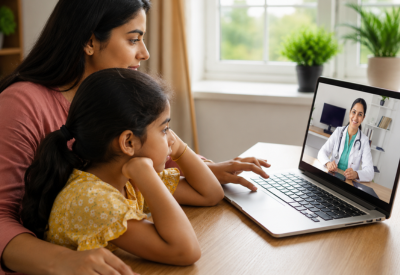
While the venture is well-timed given rising demand for tele-health, digital health assistants and AI-enabled wellness apps the challenges are significant: regulatory oversight, clinical validation, data privacy, and trust. Prior large-tech attempts at health-apps have seen mixed results.
If successful, OpenAI’s move could disrupt how consumers engage with wellness, diagnostics and personalised care shifting the centre of health-tools from clinics to cloud platforms and everyday devices.