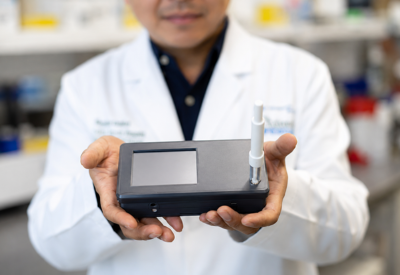
In a move aimed at boosting patient safety and care quality, KIMS Hospital, Hyderabad, has rolled out an AI-based monitoring platform across its wards. This initiative brings continuous, round-the-clock surveillance of key vitals via wearable wireless devices a major stride for in-patient care in the city. cribed as an “Early Warning System,” enables clinicians to remotely monitor parameters like heart rate, oxygen saturation, respiratory rate and other vital signs. Whenever these readings deviate from safe thresholds, the system instantly alerts clinicians and nursing staff, triggering a prompt response. This real-time alerting mechanism aims to catch patient deterioration early often before visible symptoms emerge potentially preventing complications.
KIMS Hospital’s leadership says the adoption reflects its commitment to integrating cutting-edge health-tech in everyday hospital workflows. According to hospital CMD Dr B. Bhaskar Rao, the technology will help doctors make “better point-of-care decisions right at the bedside,” enhancing the speed and precision of care during critical situations.
This upgrade builds on earlier efforts by the broader KIMS network: in previous years, KIMS hospitals had adopted AI-based Remote Patient Monitoring (RPM) and smart-ward systems in some branches. The latest rollout appears to extend these digital-health investments across in-patient services signalling a shift towards more proactive, technology-forward hospital care.