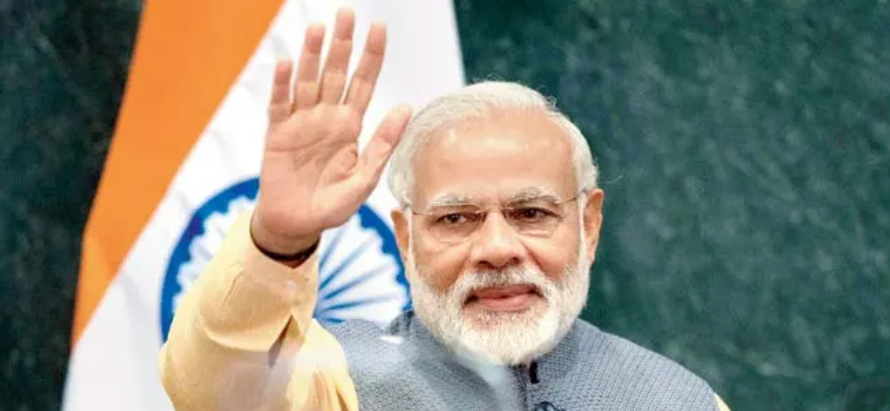
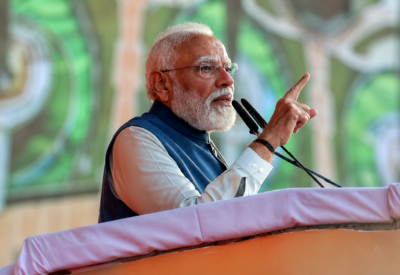
At the WHO Traditional Medicine Global Summit (Dec 17–19, 2025), Narendra Modi will launch a global, AI-enabled digital library aggregating 2.5 million publications on traditional medicine aimed at making holistic medicinal knowledge (Ayurveda, Siddha, Unani, Yoga and more) universally accessible.
Glimpse:
India is set to unveil the world’s first Digital Traditional-Medicine Library at the WHO Traditional Medicine Global Summit to be held December 17–19, 2025, with Prime Minister Narendra Modi slated to inaugurate the platform. This initiative reflects a growing commitment to integrating centuries-old medicinal knowledge with modern digital tools — a vision long pushed by AYUSH and endorsed at global forums.
According to officials, the library will include ~2.5 million publications from across countries covering classical texts, research papers, clinical studies, ethnobotanical treatises, and policy documents all consolidated into a single global repository. The resource will be freely accessible to everyone, helping researchers, clinicians, and policymakers explore traditional medicine systems such as Ayurveda, Siddha, Unani, Yoga, Sowa-Rigpa, herbal sciences, naturopathy, and more.
A major highlight will be the launch of an AI-powered bot capable of “decoding classical literature and translating ancient texts into plain language,” making them easier to understand and study a key step toward bridging the gap between ancient wisdom and modern health science.
The move aligns with previous digital-medicinal knowledge efforts such as the Traditional Knowledge Digital Library (TKDL), but scales up dramatically combining global contributions and modern AI tools for search, translation, indexing, and cross-system analysis. Proponents say this could transform how traditional medicine is validated, researched, integrated into modern health systems, and globally shared.
The apex health-research body ICMR-NIRDHDS has formally invited institutions across India to participate in a series of “Partner Consultations” to help draft the country’s first National AI Strategy for Health. The move signals a push toward co-creating a responsible, inclusive and ethically grounded AI roadmap for the health sector.
Under the initiative, any eligible organisation from universities and public-health institutes to industry bodies, NGOs, multilateral organisations and digital-health startups can apply to host a consultation session. The application window runs until 8 December 2025, and the consultations themselves will occur between 10 December 2025 and 10 January 2026.
These consultations are intended to bring together a wide array of stakeholders: public-health specialists, AI and data-science experts, clinicians, civil-society representatives, health-system administrators and industry leaders. The goal: to map out priorities, ethical guidelines, data-governance frameworks, equity concerns, implementation challenges, and governance mechanisms ensuring that AI adoption in health improves care while safeguarding rights, privacy, and fairness.
The process is backed by institutional partners including World Health Organization South-East Asia Region (WHO-SEARO) and Koita Centre for Digital Health (KCDH), linked to Ashoka University providing technical support and helping ensure the charter is aligned with global best practices while staying relevant to India’s context.
ICMR-NIRDHDS, which earlier this year signed MoUs with other academic institutions (for example, IIT Ropar) to collaborate on digital-health innovation, reinforces India’s growing emphasis on data-driven health research, AI adoption, and interdisciplinary cooperation positioning this strategy as a keystone for future public-health transformations.