Glimpse:
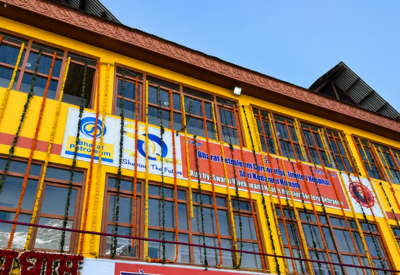
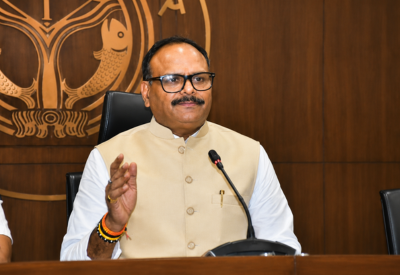
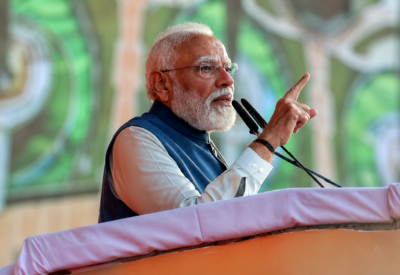
Addressing the annual pathology conference APCON 2025 in Jammu, Sinha emphasized that AI-driven diagnostics could reduce diagnostic errors, accelerate interpretation of radiology/pathology results, and cut the time between diagnosis and treatment. He called for modern laboratory infrastructure, data-driven decision-support systems, and collaboration between public/private sectors to ensure high-quality diagnostic care reaches every corner including far-flung and resource-limited areas.
In his keynote address at APCON 2025 (the 73rd annual conference of Indian Association of Pathologists & Microbiologists, IAPM & the International Academy of Pathologists‑Indian Division), the Lieutenant Governor argued that integrating AI and big-data analytics into diagnostic processes is critical for transforming healthcare in the Union Territory.
He underlined key benefits:
Enhanced diagnostic precision & error reduction AI systems, when paired with modern lab infrastructure, can flag abnormalities more reliably, reducing reliance on over-stretched diagnostic personnel.
Faster turnaround from diagnosis to treatment By automating parts of radiology/pathology workflows, AI can help minimize delays, especially for serious conditions requiring urgent care.
Greater reach & equity AI-based diagnostics can support remote or underserved areas where specialists may not always be available; linking smaller health centres with central labs can provide expert-level diagnostics broadly.
Sinha also stressed that alongside technology adoption, there’s a need for strengthening digital health records (e.g. linking with Ayushman Bharat Digital Mission / ABHA), upgrading lab infrastructure, and building capacity through updated training for pathology staff to ensure AI tools deliver real-world benefit and not just theoretical promise.