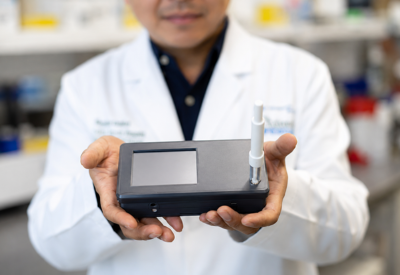
India is making a major push to embed AI-based diagnostic tools into its public health ecosystem. Under new directives from ICMR-NIRDHDS and related health ministries, several proven AI solutions are being scaled up across the country to improve diagnostic reach, reduce reliance on specialists, and bring early-detection capacity to primary and community-level health centres. deployment of an AI-powered diabetic-retinopathy screening tool known as MadhuNetrAI which analyses retinal fundus images. This system has already been rolled out across 38 health facilities in 11 states, screening over 14,000 retinal images and benefiting more than 7,100 patients.
Another major development is the integration of Clinical Decision Support Systems (CDSS) into the national telemedicine platform eSanjeevani. Since April 2023, CDSS has been used in remote consultations to provide AI-generated differential diagnoses, standardise data capture, and help guide follow-up care. As of November 2025, over 282 million consultations have incorporated AI-based assistance.
Beyond ophthalmology and tele-consultations, the AI push extends to other critical public-health programmes: for example, AI-driven tools for early detection of tuberculosis and other diseases, helping widen screening reach and enabling earlier intervention through remote and resource-limited settings.
Health-system experts say this strategy will help mitigate systemic shortages India has a limited number of radiologists, pathologists and specialized diagnosticians relative to its huge population. AI-based tools can act as force multipliers, enabling quicker diagnoses, reducing diagnostic backlogs, and bringing advanced care to semi-urban and rural areas.