Industry representatives from across India’s medical technology sector have expressed strong concern over recent approvals permitting the import of refurbished medical devices and pre-owned high-value equipment. According to industry leaders, these decisions contradict the Central Drugs Standard Control Organisation (CDSCO), which has clarified that the Medical Devices Rules do not currently allow the import of refurbished devices for sale or distribution. This regulatory inconsistency has sparked significant debate among manufacturers, clinicians and patient safety groups.
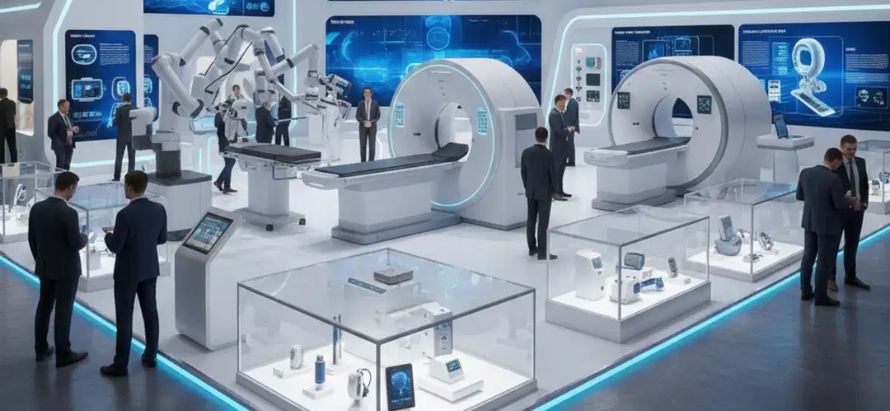
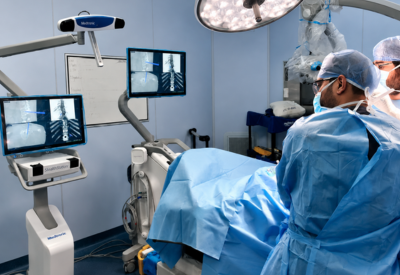
Critics warn that many refurbished medical systems including older imaging machines, CT scanners, MRI units and surgical devices often rely on outdated technology that may perform unpredictably, have limited or unreliable service and spare-parts support, and carry shorter useful lifespans. These factors, they say, raise serious concerns about diagnostic accuracy, equipment breakdowns and potential harm to patients, especially when used in critical care settings where precision and reliability are paramount.
Beyond patient safety, industry voices argue that allowing refurbished imports could stifle domestic innovation and investment in newer technologies. Many Indian manufacturers have invested heavily in research and development under national initiatives such as “Make in India” and Atmanirbhar Bharat, only to find themselves competing against cheaper second-hand equipment that may not meet the same quality or regulatory standards. This, they contend, could disincentivise growth, slow the pace of modern device development, and weaken long-term global competitiveness.
The debate has also moved into the legal arena, with organisations such as the Patient Safety and Access Initiative of India Foundation filing petitions in the Delhi High Court seeking clarification and alignment of policies. Industry stakeholders are urging authorities to revoke the perceived approvals, sharpen regulatory frameworks, and reinforce CDSCO’s authority so that India’s medical-device ecosystem remains focused on safety, innovation and equitable access to quality care.