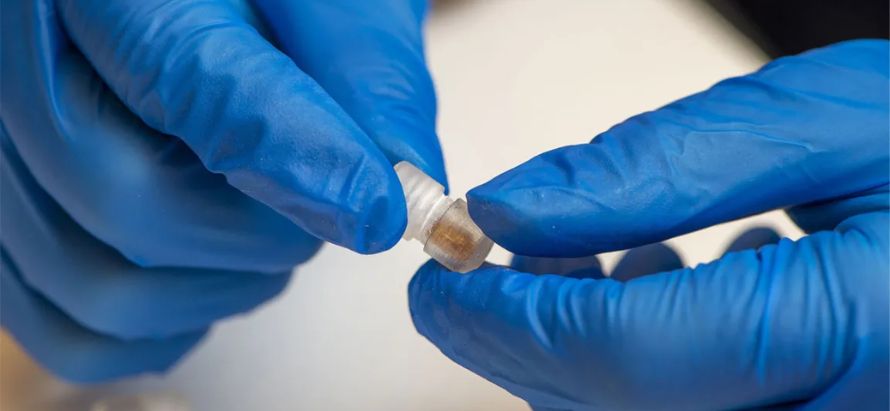
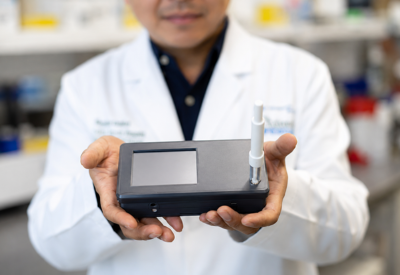
A team of scientists has engineered a swallowable diagnostic device that can collect microbial samples directly from the small intestine, offering a major advancement over conventional stool-based microbiome tests that predominantly reflect the large bowel. This novel technology provides clinicians and researchers with real-time access to the small intestinal microbiome, which is critical for understanding digestive health, nutrient absorption, immune interactions and disease development.
The capsule-like device is designed to be safely ingested by patients, after which it travels through the digestive tract and uses engineered sampling mechanisms to capture microbes and biological markers from the small intestine sites that are otherwise difficult to reach without invasive procedures like endoscopy. Once excreted, the device can be retrieved and analysed, giving scientists a window into microbial communities and metabolic activity uniquely present in the upper gut.
Early research suggests that small intestinal microbial populations differ significantly from those found in stool, making this targeted sampling technique valuable for diagnosing conditions such as small intestinal bacterial overgrowth (SIBO), inflammatory bowel disease (IBD), celiac disease, malabsorption syndromes and functional gut disorders. By accurately capturing live microbial data from the small intestine, the device could help clinicians tailor treatments, monitor therapy response and identify disease triggers more effectively.
Importantly, the technology may also accelerate research into the gut–brain axis, metabolic diseases and immunological conditions where the small bowel microbiome plays a key role. Researchers say that through better understanding the dynamics of microbial populations in this region, personalised medicine including probiotics, dietary interventions and targeted pharmaceuticals can be refined for improved health outcomes.
This swallowable device represents a broader trend in microbiome diagnostics and non-invasive tools that bring precision sampling out of the clinic and into everyday practice. As gut health attains greater clinical focus globally, tools that can probe specific gut regions promise to deepen scientific insight and elevate diagnostic accuracy beyond what can be achieved with traditional methods.