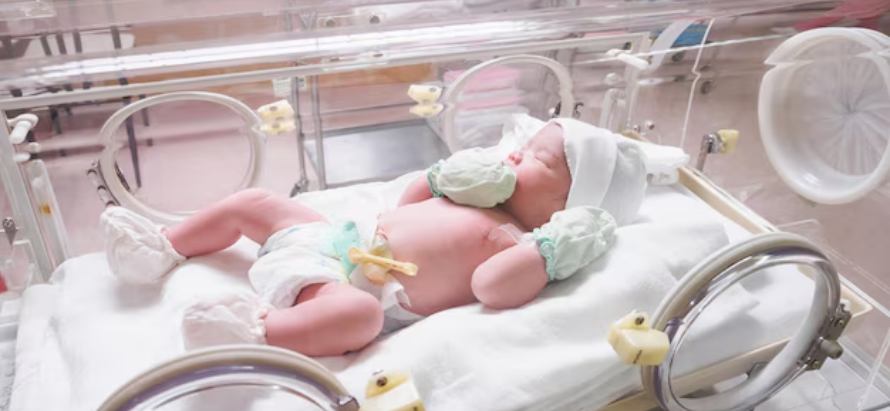
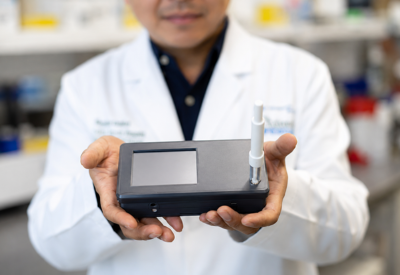
In a breakthrough for newborn healthcare, researchers in Mangaluru have introduced mBilimeter a low-cost, smartphone-integrated device designed to detect neonatal jaundice without invasive procedures. This innovation provides a stress-free, accurate method to estimate elevated bilirubin levels, the primary cause of jaundice’s characteristic yellowing of skin and eyes.
Neonatal jaundice impacts over 60% of newborns globally, often resolving naturally but requiring vigilant monitoring to prevent severe hyperbilirubinemia, which can lead to brain damage or death if untreated. Traditional screening involves painful heel-prick blood draws or expensive transcutaneous bilirubinometers, limiting access in rural or low-resource areas.
The mBilimeter leverages a smartphone’s camera with custom attachments and algorithms to capture and analyze skin images (e.g., chest or forehead), delivering rapid bilirubin estimates. This non-invasive approach eliminates discomfort for infants and reduces healthcare burdens.
The project stems from collaboration between Dr. Ruban S (St Aloysius Deemed to be University), Dr. Sanjeev Rai, and Dr. Saritha Paul (Father Muller Medical College), supported by the Medical Instruments, Devices and Allied Services (MIDAS) program at DST-MAHE Deemed University, Manipal.
Early testing shows promising accuracy, with potential for home use by parents or community health workers. The device aligns with India’s push for affordable medtech innovations, particularly in maternal and child health.
As validation continues, mBilimeter could transform jaundice screening in primary care settings, enabling timely phototherapy and preventing escalation especially vital in regions with high neonatal mortality.