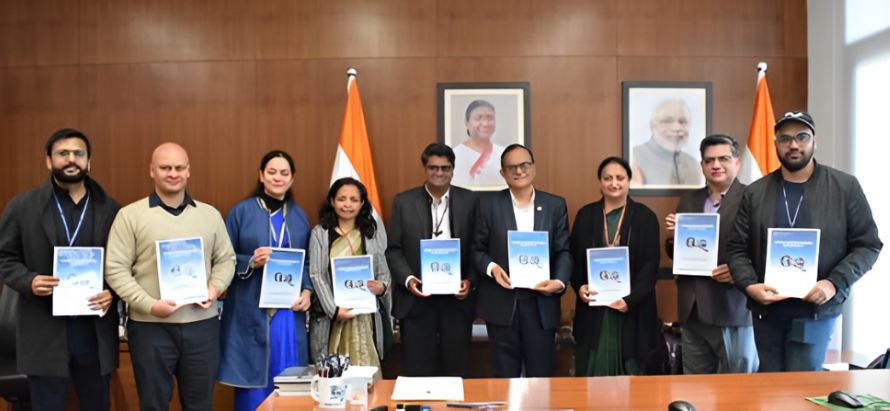
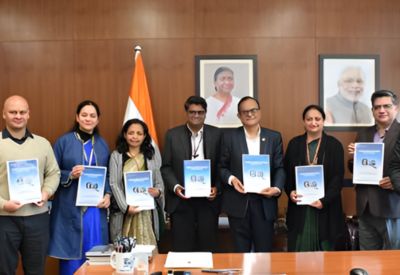
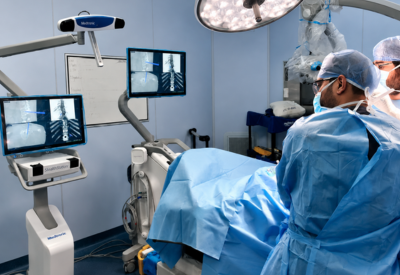
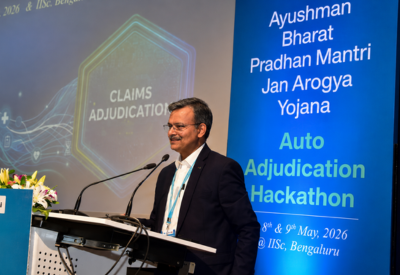
India’s deep-tech ecosystem, especially in healthcare, has long struggled with mismatched perceptions of technology readiness between researchers and investors often stalling promising innovations mid-journey. The newly unveiled National Technology Readiness Assessment Framework (NTRAF) seeks to resolve this by providing a unified, objective benchmark for assessing projects from lab concepts to market deployment.
Developed collaboratively with the Confederation of Indian Industry (CII) and experts from academia, industry, and research labs, NTRAF establishes clear criteria across nine Technology Readiness Levels (TRLs):
TRL 1-3: Proof of Concept (basic principles to lab validation).
TRL 4-6: Prototype Development (integration to system testing).
TRL 7-9: Operational Deployment (demonstration to full commercialization).
Key features make it particularly relevant for health innovation:
Evidence-based checklists replace vague qualitative claims, ensuring transparency.
Sector-specific annexures for Healthcare & Pharmaceuticals (addressing regulatory hurdles, clinical validation, and patient safety) and Software (for digital health tools).
Self-assessment tool empowers researchers/startups to spot gaps before funding applications.
Future digital platform for online evaluations and progress tracking.
By de-risking the notorious “Valley of Death” (TRL 4-7, where funding often dries up), NTRAF will guide national R&D funds, boost private investment, and accelerate translation of health-tech breakthroughs like AI diagnostics, wearables, and telemedicine platforms into real-world impact.
The framework is open for public consultation until January 31, 2026, inviting feedback to refine it further, potentially including a pilot with selected technologies.
This initiative aligns with India’s push for self-reliant innovation under missions like Anusandhan National Research Foundation (ANRF) and supports ethical scaling of health technologies amid rising demands for precision medicine and digital solutions.