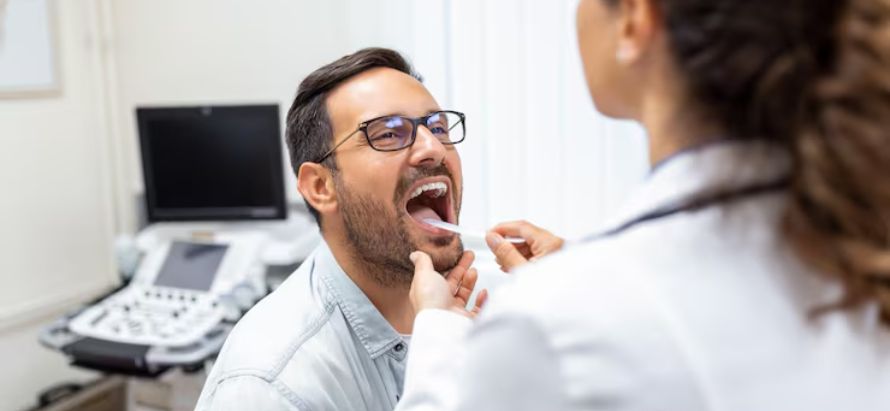
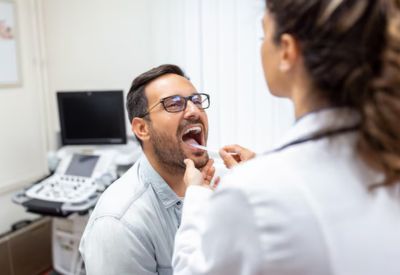
Artificial intelligence is breathing new life into one of humanity’s oldest diagnostic methods: examining the tongue. For over 2,000 years, Traditional Chinese Medicine (TCM) practitioners have assessed tongue color, coating, shape, and texture to infer internal health imbalances. Now, modern AI is quantifying these subtle signs with remarkable precision, detecting serious conditions like diabetes and stomach (gastric) cancer years before conventional symptoms emerge.
A wave of studies highlights the potential:
A 2024 analysis in Technologies achieved 98% accuracy using machine learning on 5,260 tongue images, predicting diabetes (yellow coating), cancer (purple with thick greasy layer), stroke (irregular red), anemia (pale/white), and more.
Separate research in eClinical Medicine (2023) and Chinese Medicine (2026 review) found AI spotting gastric cancer via patchy color loss, thicker coatings, and redness matching gastroscopy/CT accuracy at 85–90%.
Other works link bluish-yellow tongues to diabetes and deep red to severe infections.
These systems use smartphone cameras or controlled imaging to capture tongues, then apply convolutional neural networks (CNNs) or deep learning to classify features overcoming human subjectivity and lighting biases.
Why it works: Tongue appearance reflects systemic changes (e.g., inflammation, poor circulation, metabolic shifts) visible on its surface without skin barrier. Diabetes often yellows the coating; cancers purple it with greasy layers; strokes redden irregularly.
Advantages over traditional tests: Non-invasive, instant, low-cost no blood draws or endoscopies needed for initial screening. Ideal for remote/underserved areas or routine checkups.
Limitations & caveats: Most studies use controlled datasets; real-world variability (lighting, diet) requires robust models. Not yet diagnostic replacements best as triage tools prompting further tests. Ethical concerns include bias if training data lacks diversity.
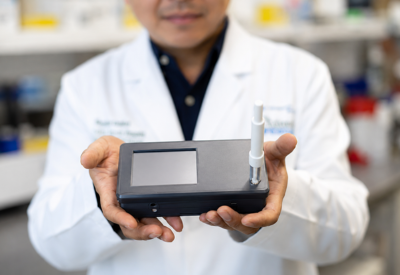
As smartphone integration advances (some prototypes already exist), tongue AI could democratize early detection blending ancient wisdom with digital precision for proactive health.