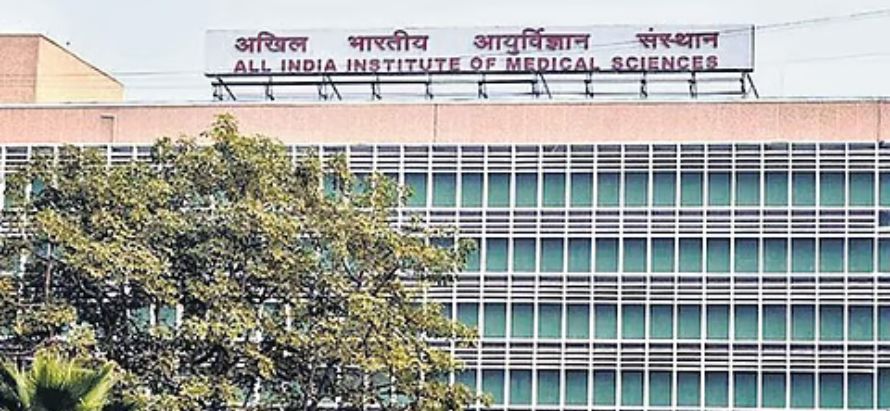
The All India Institute of Medical Sciences (AIIMS) New Delhi has taken a major step forward in modernising its radiology services by deploying a sophisticated AI-based chest X-ray analysis tool across its main campus. The indigenous solution, developed through a multi-institutional collaboration involving AIIMS faculty, IIT researchers, and private AI partners, is now integrated into the daily reporting workflow of the Department of Radiodiagnosis.
The AI tool functions as a powerful second reader and triage assistant. Upon receiving a chest X-ray, it rapidly analyses the image, identifies key abnormalities, and generates a preliminary report highlighting findings such as consolidation, cavitation, pleural effusion, cardiomegaly, hilar lymphadenopathy, and suspected nodules or masses. The system uses deep learning models trained on a large, diverse dataset of Indian patient X-rays, ensuring relevance to local disease patterns—particularly tuberculosis, which remains highly prevalent in the country.
Radiologists receive the AI-generated preliminary interpretation alongside the original image, allowing them to quickly confirm, modify, or override suggestions. Urgent or high-risk cases are automatically flagged for priority review, while routine normal or low-probability studies can be cleared faster. Initial data from the first months of deployment indicate a 60–70% reduction in average reporting time for non-complex cases, with no significant drop in diagnostic accuracy compared to traditional manual reporting.
Prof. Smita Manchanda, Head of the Department of Radiodiagnosis at AIIMS, described the tool as “a game-changer for high-volume public hospitals.” She noted that the department routinely handles thousands of chest X-rays daily, and the AI system has helped relieve pressure on radiologists while ensuring critical findings are not overlooked.
The tool has been rigorously validated through internal studies and is compliant with Indian regulatory standards for clinical decision support software. It is designed to function as an assistive aid, with final reporting authority remaining with the radiologist. Patient data privacy is maintained through strict de-identification and secure on-premise processing.
AIIMS plans to continue refining the model with ongoing feedback from its clinicians and to explore expansion to other imaging modalities, including CT chest and musculoskeletal X-rays. The deployment is seen as a model for other public sector hospitals across India, where radiologist shortages and high caseloads remain major challenges.
The initiative aligns with the Government of India’s broader push to integrate AI responsibly into public healthcare under the IndiaAI Mission and Ayushman Bharat Digital Mission frameworks.