The Arunachal Pradesh government has taken a decisive step toward bridging critical healthcare gaps in the state by approving the upgradation of diagnostic services in 427 public health facilities spread across all districts. The decision, chaired by Chief Minister Pema Khandu during a high-level health department review, addresses one of the most persistent challenges in the region: the lack of reliable, timely diagnostic support in remote and hilly areas.
At present, many patients in far-flung sub-centres, primary health centres (PHCs), and community health centres (CHCs) must travel several hours sometimes days to district hospitals or private facilities in Itanagar, Tezu, Pasighat, or even outside the state for basic tests such as X-rays, ultrasounds, or routine blood investigations. This not only delays diagnosis and treatment but also imposes significant financial and logistical burdens on families, particularly in tribal and economically vulnerable communities.
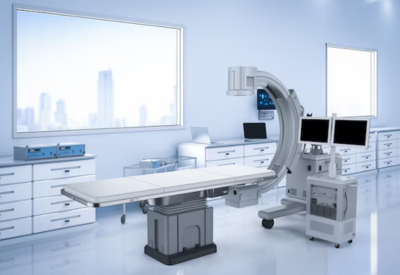
The approved plan includes the installation of digital X-ray machines, high-resolution ultrasound systems, semi-automated and fully automated biochemistry and haematology analysers, and basic microbiology equipment where feasible. The upgrades will enable facilities to perform a wider range of investigations including complete blood counts, liver and kidney function tests, blood glucose monitoring, urine analysis, and imaging for trauma, tuberculosis, and maternal health directly at the point of care.
The Chief Minister directed officials to prepare a detailed phased implementation roadmap with strict timelines, prioritising remote and border districts in the first phase. Emphasis was placed on ensuring regular maintenance, technician training, and uninterrupted power supply to sustain the new equipment. The project will draw funding from the state budget, central schemes under the National Health Mission (NHM), and Ayushman Bharat infrastructure grants.
Pema Khandu emphasised the importance of the initiative during the meeting: “Diagnostics are the foundation of effective treatment. By strengthening facilities at the grassroots level, we can reduce unnecessary travel, catch diseases earlier, and save lives especially in our remote and tribal areas where every hour counts.”
The move aligns with the state’s broader healthcare vision, which includes upgrading district hospitals, expanding specialist services, and integrating digital health tools under the Ayushman Bharat Digital Mission. Officials expect the first batch of equipment installations to begin by mid-2026, with full coverage targeted over the next 18–24 months.
This infrastructure push is widely seen as a transformative step for Arunachal Pradesh, where difficult terrain and sparse population have historically limited access to diagnostic services. Once completed, the 427 upgraded facilities will significantly enhance the state’s ability to provide timely, accurate, and affordable diagnostics to its people.