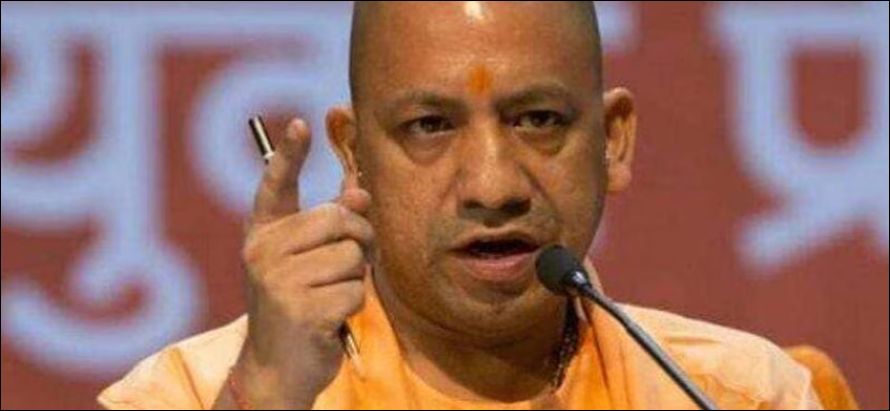
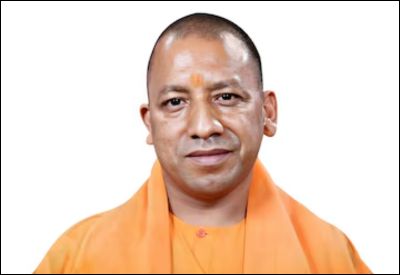
Uttar Pradesh Chief Minister Yogi Adityanath has boldly declared that the state is rapidly emerging as India’s largest and most comprehensive healthcare and medical technology hub. Addressing a gathering of industry leaders, policymakers and healthcare professionals at the Uttar Pradesh Health & Medical Technology Conclave in Lucknow on January 16, 2026, the CM presented an ambitious roadmap that combines massive infrastructure development, policy reforms, and investment incentives to achieve this goal within the next 3–5 years.
Highlighting recent achievements, CM Yogi noted that Uttar Pradesh has added more than 30,000 new MBBS and PG medical seats in the last six years, established multiple super-specialty hospitals, and operationalised new medical colleges in almost every division. He pointed to the upcoming AIIMS in Gorakhpur and Rae Bareli, the expansion of SGPGIMS, and the development of the Kalyan Singh Super Specialty Cancer Institute as examples of the state’s push toward quaternary care capacity.
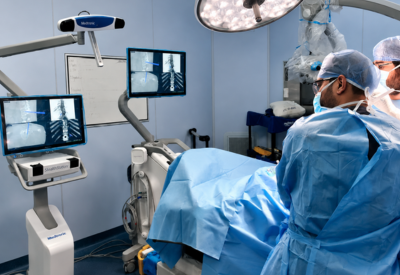
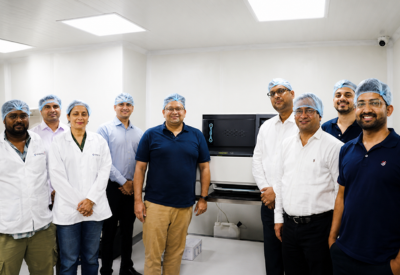
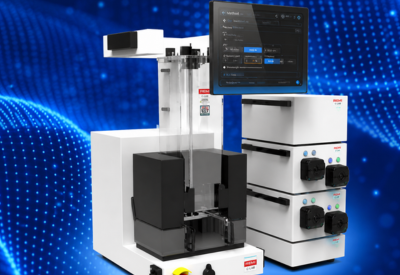
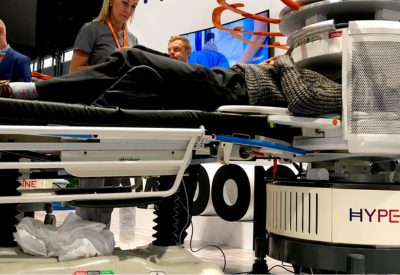
On the medical technology front, the CM emphasised the launch of dedicated medtech parks in Noida, Greater Noida, and Lucknow, along with the Uttar Pradesh Medical Devices Policy 2022 that offers capital subsidies, stamp duty exemptions, and interest subsidies to attract manufacturers. He claimed that several global and domestic companies are already setting up high-technology manufacturing units in the state for devices such as stents, implants, imaging equipment, surgical robots, and diagnostics.
The Chief Minister also underscored the role of digital health infrastructure. He said that Uttar Pradesh is aggressively implementing the Ayushman Bharat Digital Mission (ABDM) across all districts, with rapid issuance of ABHA IDs, digitisation of health facilities, and integration of telemedicine services. AI-based tools for diagnostics, clinical decision support, and disease surveillance are being piloted in multiple districts, he added.
“Our vision is clear: Uttar Pradesh will not only have the largest number of hospital beds, doctors, and diagnostic centres in the country, but will also become the leading producer of high-quality, affordable medical devices,” CM Yogi stated. “We are moving from being consumers of medtech to creators and exporters of it.”
Industry leaders present at the conclave welcomed the announcement and called for faster regulatory approvals, single-window clearances, and continued incentives to translate the vision into reality. Experts believe that if executed effectively, Uttar Pradesh with its massive population, strategic location, and policy momentum has a realistic chance of overtaking Tamil Nadu, Maharashtra, and Karnataka as India’s dominant healthcare and medtech hub in the coming decade.
The state government has set measurable targets: adding 50,000 new hospital beds by 2030, doubling medical college seats, achieving 90% ABDM saturation by 2028, and attracting ₹50,000 crore in medtech investments over the next five years.