V6 Clinics, the fast-emerging chain of AI-first primary health centres founded in Hyderabad, has publicly committed to scaling its network to 100 locations by 2029, marking one of the most ambitious physical expansion plans in India’s healthtech sector. The announcement, made by founder and CEO Dr. Vikram Vuppala during a press briefing on January 17, 2026, comes as the company closes its second full year of operations with strong patient traction and operational profitability in its initial centres.
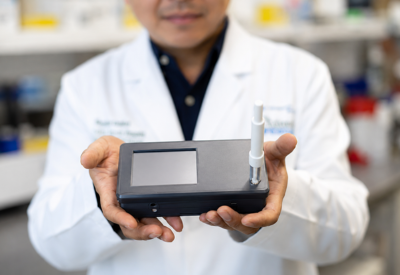
The V6 model combines physical clinics with a proprietary AI health platform that serves as the clinical and operational backbone. The platform aggregates data from in-clinic diagnostics (vitals, point-of-care tests, ECG, body composition), patient-reported outcomes, lifestyle inputs, and historical records to generate a real-time “Health Score” and personalised care recommendations. It flags early risks for diabetes, hypertension, cardiovascular disease, metabolic syndrome, and other chronic conditions, while guiding doctors on evidence-based interventions, lifestyle prescriptions, and timely specialist referrals.
Unlike traditional diagnostic chains focused purely on testing, V6 positions itself as a full-cycle primary care provider: every patient receives a digital health plan, regular follow-ups (in-person or virtual), medication adherence tracking, and preventive coaching. Early data from existing centres shows improved adherence rates, better control of chronic parameters (HbA1c, blood pressure), and high patient retention.
The expansion strategy targets underserved tier-2 and tier-3 cities where private primary care is fragmented and public facilities are overburdened. New centres will follow a standardised 1,500–2,500 sq ft format with modular diagnostic suites, consultation rooms, and telehealth cabins, keeping capex low and rollout fast. V6 plans to open 15–20 clinics annually starting in 2026, with initial focus on Telangana, Andhra Pradesh, Karnataka, Maharashtra, and Tamil Nadu before moving deeper into central and eastern India.
Dr. Vikram Vuppala, a physician-entrepreneur with prior experience in hospital operations and healthtech, said: “We believe primary care should be proactive, continuous, and data-driven not episodic and reactive. Our AI platform turns every visit into an opportunity for prevention and long-term health improvement. Reaching 100 centres by 2029 is not just about scale; it’s about proving that technology-enabled primary care can be sustainable, high-quality, and accessible to middle India.”
The company is funding the expansion through internal cash flows from its existing profitable centres, supplemented by structured debt and ongoing discussions with strategic and institutional investors. V6 has deliberately avoided heavy reliance on venture capital burn in its early phase, focusing instead on unit economics and repeatable clinical outcomes.
Industry observers view V6’s plan as one of the most credible attempts yet to build a scalable, tech-native primary care chain in India. If successful, it could serve as a blueprint for addressing the country’s massive primary healthcare gap while demonstrating that AI can be practically and profitably embedded in everyday clinical settings.