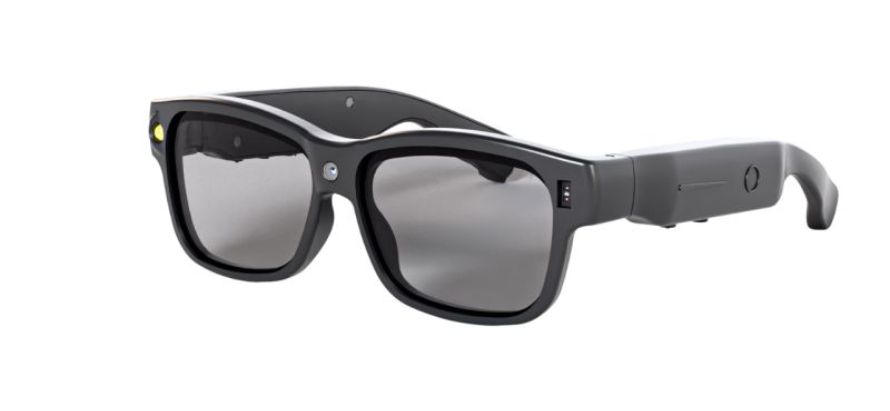
A leading hospital in Bengaluru has introduced AI-powered smart glasses designed specifically to assist visually impaired individuals. The wearable device uses real-time computer vision, object recognition, text reading, and navigation guidance to help users move safely, read documents, identify people and surroundings, and perform daily tasks more independently.
Glimpse:
The AI glasses combine cameras, bone-conduction audio, and lightweight design with advanced AI models to describe scenes, read printed text aloud, detect obstacles, recognize faces (with consent), and provide voice-guided navigation. Deployed as part of the hospital’s vision rehabilitation program, the technology aims to improve quality of life, reduce dependence on others, and promote greater confidence among visually impaired patients in urban and semi-urban settings.
A prominent multispecialty hospital in Bengaluru has launched an AI-enabled smart glasses initiative to support visually impaired patients and the broader community. The hospital is distributing and training users on these assistive devices as part of its commitment to inclusive healthcare and rehabilitation services.
The smart glasses feature: Real-time scene description Narrating surroundings, identifying objects, furniture, and potential hazards OCR & text-to-speech Instantly reading signs, labels, menus, books, and medication instructions aloud Obstacle detection & navigation Warning about stairs, doors, traffic, or low-hanging objects via audio cues Face recognition (optional & consent-based) Announcing names of familiar people in social or family settings Voice commands & bone-conduction audio Discreet, private communication without blocking ambient sound
Powered by lightweight, all-day battery life and on-device AI processing (with optional cloud support), the glasses are designed for comfort during extended wear. The hospital provides personalized fitting, training sessions, and ongoing support to help users master the technology quickly.
The initiative addresses a major gap in India, where access to advanced assistive devices remains limited for many visually impaired individuals. By introducing the glasses through a hospital setting, the program ensures medical oversight, especially for elderly patients or those with additional comorbidities, while collecting valuable feedback to refine future versions.
This move reflects the growing role of AI in assistive technology and Bengaluru’s position as a hub for healthtech innovation aimed at social impact.