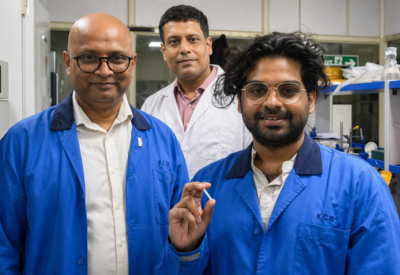
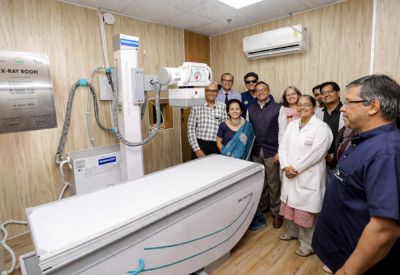
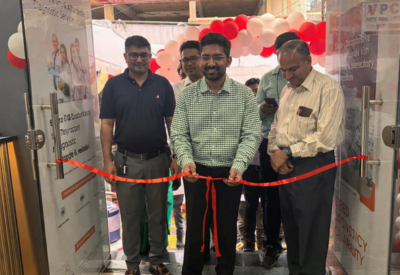
Kamala Nehru Hospital in Allahabad, in collaboration with IIT Kanpur, has launched an indigenous AI-powered device for early lung cancer screening. The portable, low-cost tool uses deep learning to analyze chest X-rays and low-dose CT images, detecting suspicious nodules and lesions with high accuracy enabling rapid, non-invasive screening in resource-limited settings and public hospitals.
Glimpse:
The device combines AI algorithms trained on Indian patient datasets with simple imaging hardware to identify early-stage lung abnormalities. It provides instant risk scoring, nodule localization, and referral recommendations, achieving over 90% sensitivity in pilot validations. Designed for primary care and community screening camps, it addresses late-stage diagnosis challenges in India, where lung cancer remains a leading cause of cancer mortality.
In a significant advancement for cancer care in India, Kamala Nehru Hospital (Allahabad) and the Indian Institute of Technology Kanpur have jointly unveiled an AI-powered lung cancer screening device. The indigenous technology aims to make early detection accessible and affordable, particularly in public-sector hospitals and rural outreach programs where advanced CT screening is often unavailable.
The device integrates lightweight imaging hardware with a cloud-edge AI model developed by IIT Kanpur researchers. It processes chest X-rays and low-dose CT scans to:
Detect pulmonary nodules and masses with precise localization Classify risk levels (benign vs. suspicious vs. malignant probability) Generate automated reports with visual heatmaps and size measurements Recommend follow-up actions further imaging, biopsy, or specialist referral
The AI model was trained and validated on large, diverse Indian datasets to handle variations in image quality, patient demographics, smoking patterns, and co-existing conditions (TB, COPD) common in the country. Pilot testing at Kamala Nehru Hospital and outreach camps showed strong performance, with reduced false positives compared to traditional visual reads and faster triage for high-risk cases.
The solution is portable, requires minimal training for technicians, and operates on low-power devices making it ideal for district hospitals, mobile screening units, and primary health centres. It aligns with the National Cancer Control Programme and Ayushman Bharat initiatives by enabling opportunistic and targeted screening in high-burden areas.
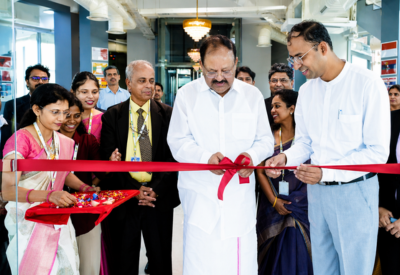
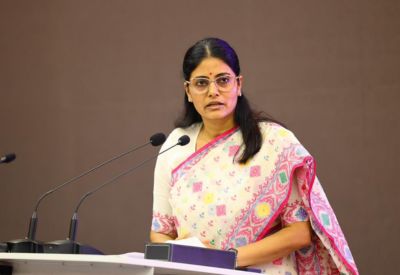
The launch was attended by senior officials from the Ministry of Health, ICMR, and IIT Kanpur, who highlighted its potential to reduce lung cancer mortality through earlier intervention. Plans are underway for multi-centre validation, CDSCO approval for wider deployment, and integration with ABDM for seamless referral pathways.
This collaboration exemplifies successful academia–hospital partnerships driving affordable, India-first innovation in oncology diagnostics.