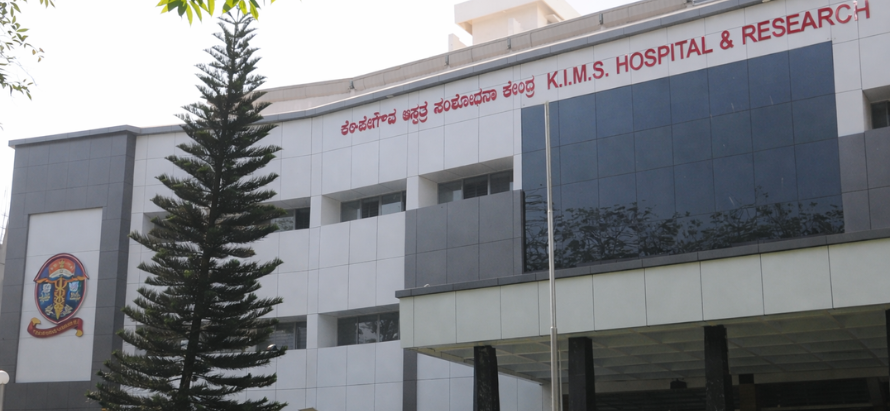
KIMS Hospitals in Hyderabad has become the first centre in India to successfully introduce and perform adaptive deep brain stimulation (aDBS), an advanced, closed-loop form of neuromodulation that automatically adjusts stimulation levels in real time based on the patient’s brain activity. The breakthrough offers more precise symptom control, reduced side effects, and improved quality of life for patients with Parkinson’s disease, essential tremor, and select dystonias marking a major milestone in functional neurosurgery on the subcontinent.
Glimpse:
The first adaptive DBS procedures were performed in late January 2026 at KIMS Hospitals Secunderabad by a multidisciplinary team led by neurosurgeon Dr. Manas Panigrahi. The system uses brain computer interface technology to continuously monitor local field potentials (LFPs) and dynamically modulate stimulation delivering therapy only when needed, unlike conventional DBS which applies constant stimulation. Early patients have shown smoother symptom control (tremor, rigidity, bradykinesia), fewer dyskinesias, reduced battery consumption, and better sleep quality compared to traditional DBS. The centre plans to expand access through training programmes and multi-centre studies.
KIMS Hospitals has achieved a historic milestone in Indian neurosurgery by becoming the first facility in the country to offer adaptive deep brain stimulation (aDBS), a next-generation neuromodulation therapy that intelligently adjusts stimulation based on real-time brain signals. The announcement came following the successful completion of the first procedures in late January 2026 at KIMS Secunderabad, led by renowned neurosurgeon Dr. Manas Panigrahi and his team.
Adaptive DBS represents a significant evolution from conventional deep brain stimulation. While traditional DBS delivers fixed, continuous electrical pulses to targeted brain regions (typically the subthalamic nucleus or globus pallidus), aDBS operates as a closed-loop system. It uses implanted electrodes to record local field potentials (LFPs) biomarkers of abnormal neural activity then automatically increases or decreases stimulation intensity only when symptoms are detected, remaining dormant during stable periods. This responsive approach minimises side effects (such as speech impairment, mood changes, or dyskinesias), conserves battery life (potentially extending device longevity by 30–50%), and provides smoother, more natural symptom control throughout the day.
The technology, approved in select international markets and now introduced in India through KIMS, targets patients with advanced Parkinson’s disease, essential tremor, and certain dystonias who have not responded adequately to medications or conventional DBS. Initial patients at KIMS have reported improved motor fluctuations, reduced “off” periods, better sleep, and higher overall quality of life, with no major adverse events in the early follow-up period.
Dr. Manas Panigrahi, Group Director & Head of Neurosurgery at KIMS Hospitals, said: “Adaptive DBS is a game-changer for movement disorder patients. It mimics the brain’s natural regulation providing stimulation only when it’s needed leading to more consistent symptom relief and fewer side effects. Being the first in India to offer this technology is a proud moment, and we are committed to making it accessible to more patients while building robust evidence through ongoing research.”
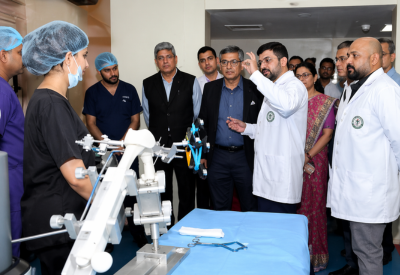
The procedures were performed using a commercially available closed-loop DBS system (Medtronic Percept PC with BrainSense technology or equivalent), with intraoperative microelectrode recording and awake testing to optimise electrode placement. The KIMS team has established a dedicated multidisciplinary movement disorders clinic including neurologists, functional neurosurgeons, neurophysiologists, and rehabilitation specialists to ensure comprehensive pre- and post-operative care.
The centre plans to expand the programme rapidly, offering training workshops for other neurosurgeons and neurologists, initiating multi-centre outcome studies, and collaborating with national bodies to include aDBS in insurance coverage and national treatment guidelines. The introduction of adaptive DBS in India is expected to reduce the need for patients to travel abroad for advanced neuromodulation therapies and strengthen the country’s capabilities in functional neurosurgery.