The Greater Chennai Corporation (GCC), in collaboration with the Tamil Nadu Health Department and leading AI health-tech partners, is set to deploy AI-powered chest X-ray screening across public health facilities and mobile units in Chennai. The initiative aims to accelerate early detection of tuberculosis (TB), reduce diagnostic delays, and strengthen the city’s contribution to India’s national TB elimination goal by 2025 leveraging AI to achieve higher sensitivity and faster triage in high volume urban settings.
Glimpse:
Starting mid-2026, Chennai will integrate AI algorithms (developed locally and validated by ICMR/NTEP) into its existing X-ray workflow at government hospitals, urban primary health centres, and targeted mobile screening camps. The system automatically analyses chest X-rays for TB indicators (cavities, infiltrates, nodules), assigns risk scores, and prioritises cases for GeneXpert confirmation achieving >90% sensitivity in pilot validations. The programme targets high-risk groups (slum residents, migrants, diabetics, HIV patients) and is expected to screen over 500,000 individuals annually, significantly boosting case detection rates in the city.
In a major public health advancement, the Greater Chennai Corporation (GCC) has announced plans to deploy AI-powered chest X-ray screening for early tuberculosis (TB) detection across the city’s public healthcare network. The initiative, unveiled on January 28, 2026, is being implemented in partnership with the Tamil Nadu Health Department, National TB Elimination Programme (NTEP), and leading Indian AI health-tech providers (including Qure.ai and DeepTek).
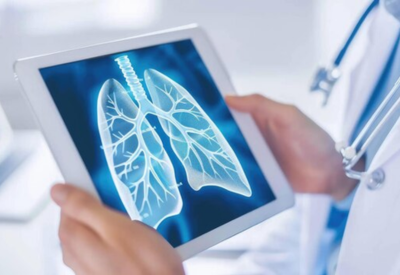
The AI system analyses digital chest X-rays in real time, detecting radiological signs of TB (upper lobe infiltrates, cavities, miliary patterns, pleural effusion) with high accuracy. It generates a risk score and preliminary report that flags positive or suspicious cases for immediate GeneXpert or sputum testing reducing the time from imaging to diagnosis from days to hours in many cases. Pilot studies conducted in Chennai slums and high density areas showed sensitivity >90% and specificity >95% compared to human radiologist reads, with particularly strong performance in detecting smear negative and early stage TB.
The deployment will begin at major government hospitals (including Rajiv Gandhi Government General Hospital, Kilpauk Medical College Hospital), urban primary health centres, and dedicated mobile X-ray vans targeting high-risk populations:
- Slum dwellers and migrant workers
- People with diabetes, HIV, malnutrition, or history of smoking
- Household contacts of known TB cases
- Industrial workers in high-density zones
The programme is fully integrated with the national Nikshay portal for real-time case notification and follow-up tracking. All X-ray images and AI outputs are linked to patients’ Ayushman Bharat Health Accounts (ABHA) for continuity of care and longitudinal monitoring.
Greater Chennai Corporation Commissioner said: “Chennai has one of the highest TB notification rates in Tamil Nadu due to dense population and migration. AI-powered screening will help us find cases earlier, treat them faster, and break transmission chains bringing us closer to a TB-free city.”
The initiative is supported by central funding under the National TB Elimination Programme (NTEP) and state resources, with additional technical assistance from ICMR and WHO partners. It is expected to screen over 500,000 individuals annually once fully rolled out, significantly contributing to Tamil Nadu’s and India’s TB elimination targets.