Full News Story
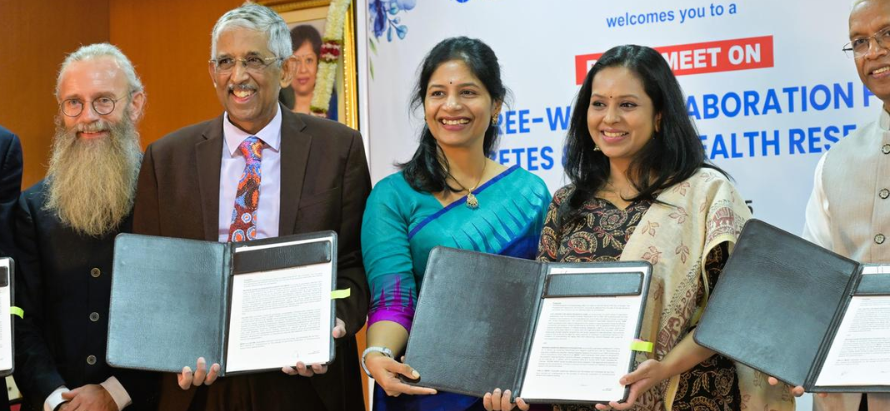
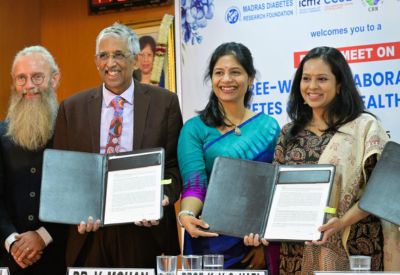
In a major international research initiative, the Madras Diabetes Research Foundation (MDRF), based in Chennai, has signed memoranda of understanding with the Centre for Brain Research (CBR) at the Indian Institute of Science (IISc), Bengaluru, and the UK Dementia Research Institute (UK DRI).
The partnership is designed to unpack the complex relationship between diabetes and the brain a field increasingly recognised as critical given the rising global prevalence of diabetes and dementia. MDRF’s Chairman, V. Mohan, noted that individuals with diabetes face significantly higher risks of cognitive disorders and dementia, and that the brain has been an under-explored target of metabolic disease.
Under this collaboration, the organisations will adopt a multidisciplinary strategy: gathering large cohorts of individuals with diabetes and pre-diabetes, conducting brain imaging, biomarker analysis, genomics/proteomics profiling, cognitive testing, and longitudinal follow-up. CBR and UK DRI will contribute their expertise in neurodegeneration, imaging and biomarker science, while MDRF will bring its deep experience in diabetes epidemiology, clinical data and metabolic research.
A key goal is to identify early markers of brain ageing in people with diabetes possibly 10-20 years before overt cognitive decline and to determine whether tighter glycaemic/metabolic control, lifestyle interventions or novel therapies can mitigate brain damage. MDRF says that while eye, kidney and nerve complications of diabetes are routinely screened, cognitive impairment remains under-diagnosed in the diabetes clinic and needs systemic attention.