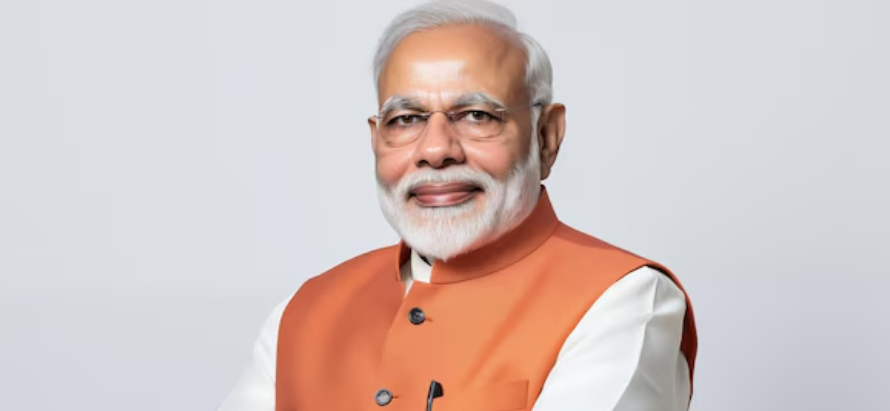
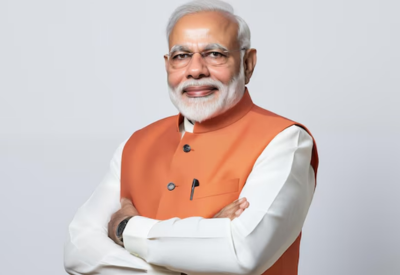
Prime Minister Narendra Modi highlighted telemedicine and the emerging care economy as critical pillars for expanding equitable healthcare access across India. Speaking at a high-level health conclave, PM Modi emphasised that digital tools, remote consultations, and community based care models are essential to bridge urban rural divides, reduce out of pocket expenses, and achieve the vision of universal health coverage under Ayushman Bharat.
Glimpse:
In his address on January 28, 2026, PM Modi noted that telemedicine has already enabled over 200 million consultations through e-Sanjeevani and private platforms, reaching remote areas where specialist availability is limited. He called the care economy encompassing home healthcare, digital nursing, elderly support, and preventive services a ₹50 lakh crore opportunity that can create millions of jobs while making quality care affordable and accessible. The PM urged public-private partnerships, skill development, and innovation to scale these models nationwide.
Prime Minister Narendra Modi today underscored the transformative role of telemedicine and the care economy in making healthcare more inclusive and sustainable for every Indian. Delivering the keynote address at a national health summit on January 28, 2026, PM Modi said digital health tools and community-driven care services are no longer supplementary they are central to India’s journey toward universal health coverage.
“Telemedicine has broken the barriers of distance,” the Prime Minister stated. “From a tribal village in Chhattisgarh to a remote hamlet in Ladakh, specialists in AIIMS, PGIMER, or private hospitals can now reach patients in minutes. e-Sanjeevani alone has crossed 200 million consultations, proving that technology can deliver trust and quality where physical infrastructure takes years to build.”
He further spotlighted the care economy encompassing home healthcare, tele-nursing, elderly companionship, palliative care, rehabilitation, and preventive wellness services as a massive economic and social opportunity. “This sector has the potential to become a ₹50 lakh crore industry in the coming decade,” PM Modi noted. “It will create millions of dignified jobs for our youth, especially women, while ensuring that families can care for their loved ones at home with professional support.”
The Prime Minister called for urgent action in three areas:
- Scaling telemedicine infrastructure with high-speed connectivity in rural areas and integration with Ayushman Bharat Digital Mission (ABDM)
- Building a skilled care workforce through short-term certifications, digital training platforms, and public-private partnerships
- Encouraging innovation in affordable devices, AI-assisted monitoring, and community models that blend traditional and modern care
He also highlighted success stories from states like Andhra Pradesh, Telangana, and Tamil Nadu, where telemedicine and home-based care have reduced hospital burden and improved chronic disease management.
The address aligns with the government’s broader vision of “Health for All” and “Viksit Bharat @2047,” where digital health and localised care models play a central role in reducing inequities and building resilience against future health crises.