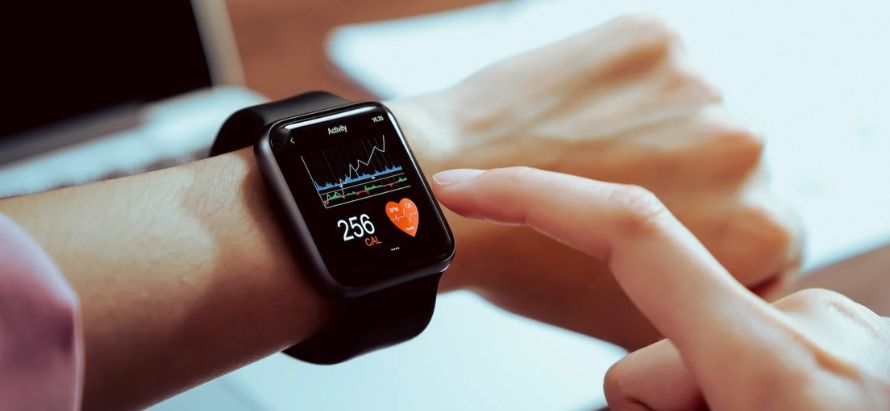
Apple has quietly indicated a strategic pivot from standalone consumer wearables toward deeper integration of its health technologies directly into clinician workflows and electronic health records. The move emphasizes seamless data flow from Apple Watch, Health app, and future devices into hospital systems, clinical decision support tools, and provider-facing platforms aiming to bridge the gap between personal health tracking and professional medical care for improved outcomes and care coordination.
Glimpse:
In recent developer sessions and health ecosystem updates, Apple executives have highlighted new APIs, FHIR-based interoperability enhancements, and partnerships that allow real-time sharing of Apple Watch metrics (heart rate variability, ECG, blood oxygen, sleep, mobility) into EHRs and clinician dashboards. The company is focusing on clinician-integrated features such as automated risk alerts, longitudinal trend visualization, and AI-assisted interpretation of consumer-generated data, positioning Apple Health as a foundational layer for professional care rather than just a consumer wellness tool.
Apple has begun to clearly signal a strategic evolution in its health ecosystem, moving beyond its traditional focus on consumer wearables toward tools and infrastructure that integrate directly into clinician workflows and professional healthcare settings. During a series of closed-door developer sessions and health-focused briefings leading up to WWDC 2026, Apple executives emphasized that the future of Apple Health lies in bridging the divide between personal health data collected by millions of Apple Watch and iPhone users and the clinical systems used by doctors, nurses, and hospitals every day. This shift represents one of the most significant directional changes for Apple’s health ambitions since the original Apple Watch launch in 2015.
The company has rolled out expanded FHIR-based APIs and HealthKit enhancements that enable secure, consent-driven transmission of key health metrics including heart rate variability, irregular rhythm notifications, ECG classifications, blood oxygen trends, sleep stages, mobility scores, and respiratory rate directly into electronic health record systems and clinician-facing platforms. Early integrations with major EHR vendors like Epic, Cerner, and athenahealth are already live in select U.S. health systems, allowing physicians to view Apple-generated data alongside traditional clinical records during consultations, telehealth visits, and hospital rounds. Apple has also introduced clinician-specific dashboards that aggregate longitudinal trends, highlight anomalies, and provide contextual alerts for conditions such as atrial fibrillation, sleep apnea, fall risk, and declining mobility helping providers intervene earlier in chronic disease progression.
The pivot includes subtle but meaningful changes in messaging and product roadmap. Apple has quietly de-emphasized standalone consumer health features in recent communications and instead highlighted partnerships with health systems, academic medical centres, and clinical research organizations that use Apple data for real-world evidence generation, remote patient monitoring programs, and population health initiatives. Executives have stressed that Apple’s role is to serve as a secure, standardized source of high-quality patient-generated data that feeds into professional care pathways, rather than attempting to compete directly with clinical-grade diagnostic tools or replace physician judgment.
This strategic direction responds to growing feedback from the medical community that consumer wearables often produce valuable signals but lack seamless integration into clinical decision-making. By prioritizing clinician-facing tools, interoperability standards, and privacy-preserving data exchange, Apple aims to make its ecosystem more relevant to hospitals, payers, and value-based care models while continuing to drive adoption among consumers. The company has also reaffirmed its commitment to strong privacy protections including on-device processing, end-to-end encryption, and granular user consent as foundational to earning trust from healthcare professionals and regulators.
The announcement has generated significant interest among health systems and EHR vendors, many of whom see Apple’s massive user base and sensor accuracy as a rich source of real-world data that can enhance care coordination, reduce readmissions, and support preventive strategies. Apple plans to expand these clinician-integrated capabilities in upcoming software updates and is reportedly in discussions with global health authorities to align with emerging digital health standards worldwide.