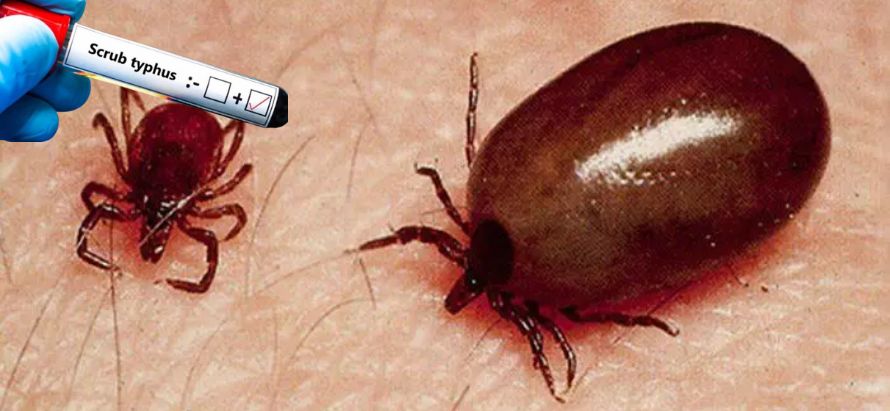
In its latest update, Andhra Pradesh’s Medical, Health and Family Welfare Department announced that 1,566 cases of scrub typhus have been confirmed across the state in 2025. At the same time, the department has recorded nine deaths among patients who tested positive though it clarified that the cause of death is not yet confirmed. To determine whether the fatalities were indeed caused by scrub typhus, officials have ordered whole-genome sequencing for the deceased patients. diagnostic services, including ELISA and rapid-test kits, have been deployed to Primary Health Centres (PHCs) and teaching hospitals throughout the state, including remote and rural areas. Rapid-response teams have been activated across all 26 districts to investigate suspected deaths, survey affected areas, and strengthen public-health measures.
Healthcare officials have also called for heightened awareness. They note that scrub typhus caused by the bacterium Orientia tsutsugamushi and typically transmitted via chigger-mite bites tends to spike post-monsoon, especially in rural areas with scrub vegetation. Common symptoms include high fever, headache, body aches, and a characteristic black eschar (a scab at the bite site), which can help in early diagnosis.
The state’s top leadership has taken note: N. Chandrababu Naidu, the Chief Minister, has directed officials to intensify awareness campaigns, ensure availability of antibiotics at all health-care centres, and encourage villagers especially those working in agriculture or field-work to seek prompt medical care if symptoms emerge.
Experts caution that while the current case count aligns with seasonal patterns, delayed presentation and late diagnosis may increase risk of complications. They emphasise the importance of early treatment (typically doxycycline or azithromycin) and public vigilance, particularly in endemic districts and post-monsoon months.