The Union Finance Minister has announced a bold national target to achieve universal health insurance coverage for all Indian citizens by 2033. The roadmap includes expanding existing schemes like Ayushman Bharat, increasing private insurance penetration, integrating digital health records, and introducing innovative financing models to eliminate out-of-pocket expenses for essential care and reduce catastrophic health spending across the country.
Glimpse:
In his address, the Finance Minister outlined a multi-pronged strategy to reach full health insurance coverage by 2033, encompassing wider Ayushman Bharat PM-JAY inclusion, mandatory employer-sponsored insurance, affordable private plans for the middle class, and digital integration via ABDM for seamless claims and portability. The plan aims to cover every Indian with basic health protection, focusing on preventive care, chronic disease management, and financial risk protection while targeting a significant reduction in households facing impoverishment due to medical costs.
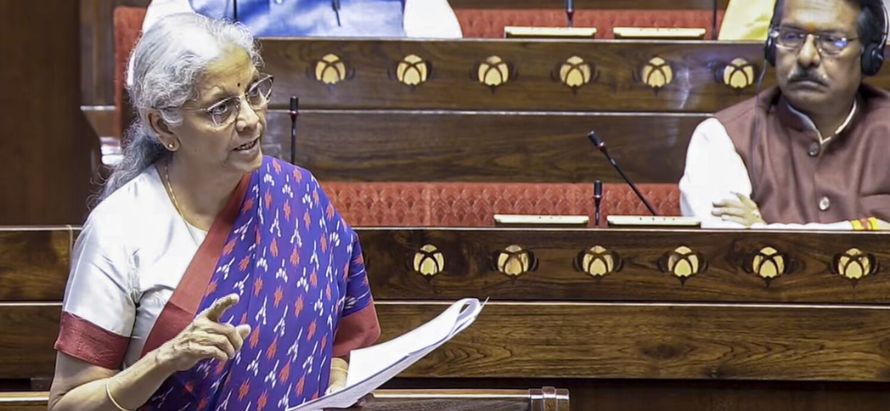
The Union Finance Minister delivered a forward-looking statement on India’s healthcare financing during a key economic policy address on February 27, 2026, declaring an ambitious national goal to achieve universal health insurance coverage for every citizen by 2033. He described this target as a cornerstone of the government’s vision for a Viksit Bharat, emphasizing that no family should face financial ruin due to illness and that access to quality healthcare must become a fundamental right supported by comprehensive insurance protection.
The roadmap builds on the foundation laid by Ayushman Bharat PM-JAY, which already covers over 500 million vulnerable individuals, and aims to progressively extend similar protections to the remaining population through a combination of public, private, and community-based mechanisms. Key elements include expanding PM-JAY eligibility criteria, mandating employer-sponsored group insurance for formal sector workers, incentivizing affordable private health insurance products for the middle class, and promoting micro-insurance schemes for informal sector and low-income households. The Minister highlighted the role of digital infrastructure under the Ayushman Bharat Digital Mission (ABDM) in enabling seamless portability, cashless claims, real-time verification, and fraud prevention across public and private insurers.
The announcement also outlined steps to strengthen primary and preventive care as the first line of defense, including increased funding for wellness centres, regular screenings, and chronic disease management programs to reduce the need for expensive hospitalizations. The government plans to introduce innovative financing models such as health savings accounts, risk-pooling mechanisms, and public-private partnerships to make coverage sustainable and scalable. Special attention will be given to vulnerable groups senior citizens, persons with disabilities, and rural populations through enhanced coverage limits, subsidized premiums, and priority access to care.
Finance Ministry officials noted that the target aligns with India’s broader economic and social development goals, aiming to eliminate catastrophic health expenditure that currently pushes millions into poverty annually. The Minister called for collaborative efforts from states, insurers, hospitals, and technology providers to ensure the 2033 goal is met, with regular progress tracking through national health financing dashboards and independent audits. The initiative has been welcomed by public health experts and industry leaders as a decisive step toward true universal health coverage, though implementation challenges like fiscal sustainability and private sector participation remain key areas of focus in the coming years.