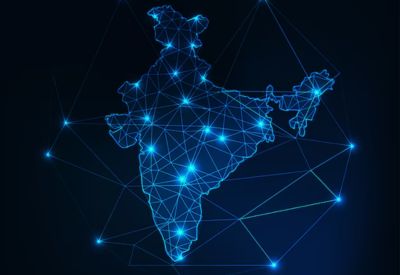
India’s healthcare system has long grappled with fragmentation, poor continuity, and unequal access—challenges that the Ayushman Bharat Digital Mission (ABDM), launched in 2021, is systematically addressing. ABDM is building an open, interoperable digital health ecosystem that puts patients at the center while connecting providers, payers, pharmacies, labs, and public health programs nationwide.
Core building blocks include: Ayushman Bharat Health Account (ABHA) A unique 14-digit health ID that links a person’s medical records across facilities and states. Health Information Consent Manager Gives patients control over who can access their data and for how long. Health Information Exchange & FHIR APIs Standardized protocols enabling seamless sharing of records between different EHR systems. Registries Health Facility Registry (HFR) and Healthcare Professionals Registry (HPR) for verified participants. Key platforms eSanjeevani (national telemedicine), U-WIN (immunization tracking), e-VIN (vaccine logistics), and ABDM Sandbox for innovation and testing.
The ecosystem now supports millions of daily transactions: teleconsultations, digital prescriptions, lab reports, hospital admissions, and insurance claims flow through secure, consent-based channels. Patients can access their lifelong health record via the ABHA app, share it instantly with any provider, and avoid repeating tests or history. This continuity is especially powerful for chronic conditions like diabetes and hypertension, reducing complications and hospital readmissions.
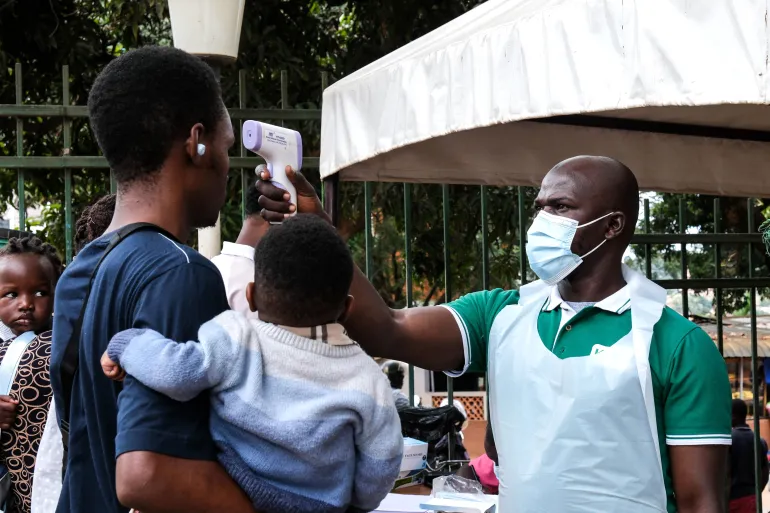
Preventive and public health gains are equally significant. AI-enabled screening tools, integrated disease surveillance, and real-time dashboards help detect outbreaks faster and allocate resources more effectively. Rural and underserved areas benefit from telemedicine hubs, mobile apps in local languages, and community health worker tools that bring specialist care closer.
Private sector participation is growing rapidly hospitals, diagnostic chains, pharmacies, and startups are integrating with ABDM, creating a vibrant marketplace of digital health services. Challenges remain digital literacy, data privacy concerns, last-mile connectivity, and adoption in smaller facilities but momentum is strong, with rapid growth in ABHA creation, record linking, and transaction volume.
Experts view ABDM as India’s foundation for achieving Universal Health Coverage (UHC): a system where every citizen has access to quality, affordable care without financial hardship, powered by digital infrastructure rather than infrastructure alone.