Artificial Intelligence is revolutionizing healthcare services, drug development, and overall system efficiency, emerging as one of the most transformative innovations of the century. Technologies such as machine learning, deep learning, natural language processing, and predictive analytics are deployed across hospitals, clinics, and digital platforms to elevate patient outcomes and operational performance.
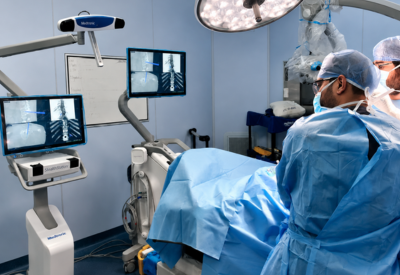
In clinical services, AI excels in medical imaging detecting cancers, fractures, tumors, heart disorders, and neurological issues with tools like Google DeepMind Health and Siemens AI-Rad Companion. Clinical Decision Support Systems (CDSS) suggest diagnoses and treatments, while AI chatbots provide 24/7 triage and support. Hospital operations benefit from automated scheduling, bed management, and EMR documentation, and remote patient monitoring (RPM) tracks vitals in real time for proactive interventions.
In drug design and development, AI predicts molecular interactions, analyzes vast datasets, accelerates clinical trials, and enables personalized therapies. Platforms like IBM Watson Health integrate genetic, chemical, and clinical data to expedite discovery and reduce timelines.
Positive impacts include
Faster, more accurate diagnoses for critical conditions.
Personalized treatment plans based on patient history and genomics.
Enhanced efficiency by automating administrative tasks.
Cost savings through fewer misdiagnoses and streamlined processes.
Better chronic disease management via real-time monitoring.
Greater accessibility in remote areas through telemedicine and virtual assistants.
Negative aspects encompass data privacy risks, algorithmic bias from incomplete datasets, high implementation costs, potential displacement of routine jobs, and the irreplaceable need for human empathy in complex care.
To establish AI as a pillar of healthcare, stakeholders must prioritize diverse datasets to minimize bias, develop transparent and ethical models, invest in AI literacy training, strengthen cybersecurity, foster public-private collaborations, and ensure AI augments rather than replaces human expertise.
Looking ahead, AI will expand into preventive care, robotic surgery, mental health support, and digital therapeutics ushering in predictive medicine, automated hospitals, and fully digital patient journeys.