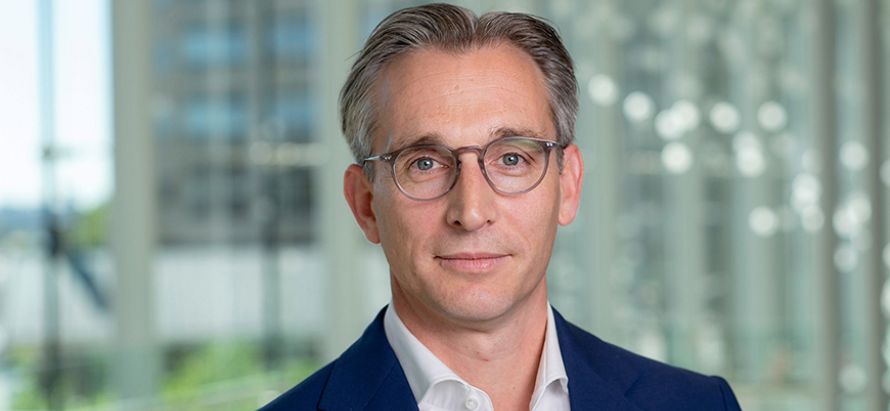
Philips CEO Roy Jakobs has highlighted that AI-powered healthcare solutions developed in India are poised to influence and reform global models. Speaking at a recent industry forum, he praised India’s rapid innovation in affordable, scalable AI diagnostics, remote monitoring, and clinical decision support driven by unique local challenges and a massive data ecosystem positioning the country as a source of globally relevant breakthroughs rather than just a market.
Glimpse:
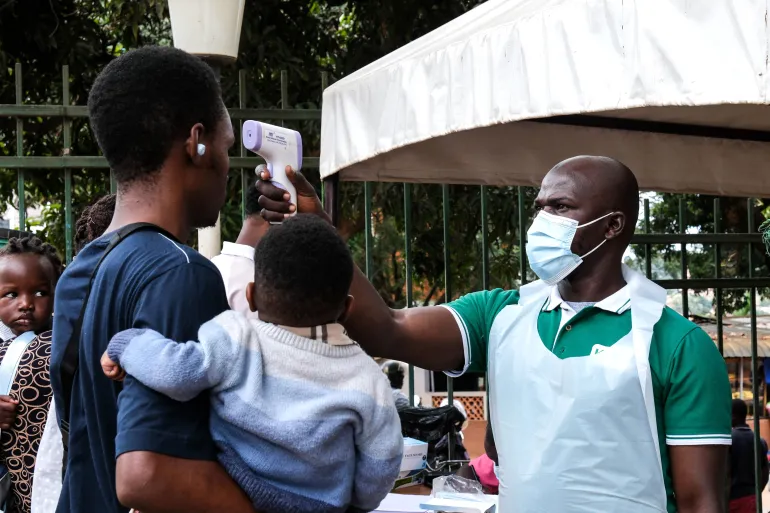
Jakobs emphasized India’s advantages: diverse patient data, high disease burden driving practical AI use cases, strong engineering talent, and cost-effective development. He cited examples of Indian AI tools for TB screening, diabetic retinopathy, stroke detection, and maternal health that outperform or match Western models in real-world settings. The Philips leader predicted Indian solutions will increasingly be exported and adapted worldwide, reshaping how global companies approach AI in low-resource and high-volume healthcare environments.
Roy Jakobs, CEO of Royal Philips, has made a bold statement on India’s growing role in AI healthcare innovation. In remarks at an international healthtech summit, Jakobs asserted that “India is no longer just adopting global AI models it is building solutions that will reform and redefine them for the world.”
Key points from his address include:
Unique Indian advantages vast, diverse clinical datasets (multilingual, multi-ethnic, high-disease-burden population) that create more robust and generalizable AI models Practical, outcome-focused innovation Indian startups and institutions prioritize real-world deployment in resource-constrained settings, leading to tools that are affordable, offline-capable, and scalable Proven success stories AI solutions for TB screening (qXR by Qure.ai), diabetic retinopathy (by various players), stroke triage, and maternal risk prediction already deployed at scale in public health programs Global relevance these India-first models address universal challenges (cost, access, equity) that even high-income countries face in rural or underserved areas Philips perspective Jakobs noted Philips’ own collaborations in India (with AIIMS, Apollo, and others) and said the company is actively learning from and co-developing with Indian innovators to inform its global portfolio
He specifically called out the convergence of India’s engineering talent, government support (IndiaAI Mission, ABDM, BioPharma Shakti), and clinical validation ecosystems as creating a “perfect storm” for AI healthcare leadership. Jakobs predicted that within 3–5 years, Indian-developed AI tools will be exported widely to Africa, Southeast Asia, Latin America, and even parts of Europe and North America.
The CEO also stressed the importance of ethical frameworks, data privacy (DPDP Act compliance), clinician trust, and bias mitigation areas where India’s experience with diverse populations can set global benchmarks.
This endorsement from one of healthcare technology’s top global leaders underscores India’s transition from AI adopter to AI influencer in the health domain.