The Manipal Institute of Neurosciences has become one of the first centres in India to introduce adaptive deep brain stimulation (aDBS), a next-generation neuromodulation therapy for movement disorders such as Parkinson’s disease, essential tremor, and dystonia. Unlike traditional continuous DBS, adaptive DBS dynamically adjusts stimulation intensity in real time based on the patient’s symptoms, delivering more precise control, fewer side effects, and better long-term outcomes.
Glimpse:
The adaptive DBS system at Manipal uses closed-loop technology with implanted brain sensors to monitor neural activity and automatically modulate stimulation parameters to suppress tremors, rigidity, and dyskinesia only when needed. The procedure has already been successfully performed on select patients with Parkinson’s disease, resulting in improved motor scores, reduced medication requirements, and enhanced quality of life. The centre offers comprehensive evaluation, surgery, programming, and follow-up care, positioning Manipal as a leader in advanced neuromodulation therapies in South India.
The Manipal Institute of Neurosciences (MIN), part of Manipal Hospitals in Bengaluru, has launched adaptive deep brain stimulation (aDBS) as a groundbreaking treatment option for patients with debilitating movement disorders. The introduction, announced on February 27, 2026, makes MIN one of the pioneering centres in India to offer this advanced closed-loop neuromodulation technology, which represents a significant evolution from conventional continuous deep brain stimulation used for Parkinson’s disease, essential tremor, and dystonia.
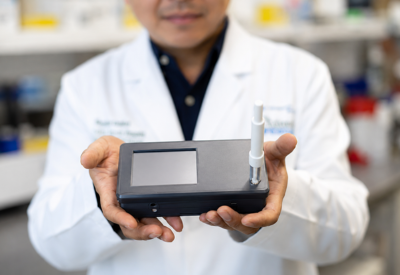
Adaptive DBS works by continuously monitoring brain activity through implanted sensors that detect pathological neural patterns associated with symptoms like tremors, rigidity, bradykinesia, or dyskinesia. The system then dynamically adjusts the stimulation parameters delivering electrical pulses only when needed and at the optimal intensity rather than providing constant stimulation like traditional DBS. This targeted approach minimizes side effects such as speech difficulties, mood changes, or excessive energy use, while maximizing symptom control and preserving battery life for longer device longevity. The therapy is delivered via a surgically implanted neurostimulator connected to electrodes placed in specific brain regions (typically the subthalamic nucleus or globus pallidus)
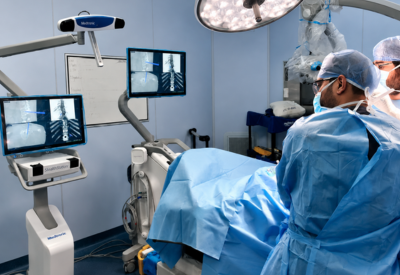
The first adaptive DBS procedures at Manipal were performed by a multidisciplinary team led by senior neurosurgeons and neurologists specializing in movement disorders. Patients underwent careful preoperative evaluation, including advanced neuroimaging, neuropsychological testing, and levodopa challenge assessments to confirm suitability. Post-surgery, the devices were programmed using real-time neural feedback, with ongoing adjustments during follow-up visits to optimize outcomes. Early results have shown meaningful improvements in motor scores (UPDRS-III), reduced “off” time, decreased levodopa requirements, and enhanced quality of life, consistent with international studies on aDBS.
The launch strengthens MIN’s position as a centre of excellence for neuromodulation therapies in South India, complementing its existing expertise in conventional DBS, focused ultrasound, and intrathecal baclofen pumps. The institute offers comprehensive services including patient selection, surgery, device programming, rehabilitation, and long-term follow-up, with a dedicated movement disorders clinic for multidisciplinary care. Manipal plans to expand access through outreach programs, insurance tie-ups, and collaborations with referring neurologists across Karnataka and neighbouring states.
This advancement aligns with growing global evidence supporting adaptive DBS as a more physiological and patient-friendly option for movement disorders. MIN’s adoption of the technology underscores India’s increasing capability to deliver cutting-edge neuromodulation therapies locally, reducing the need for patients to seek treatment abroad and contributing to improved quality of life for those living with chronic neurological conditions.