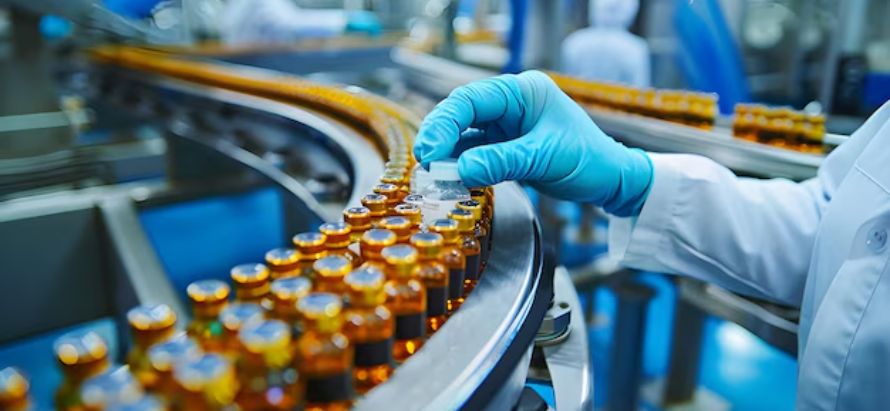
The Production Linked Incentive (PLI) scheme for pharmaceuticals has drawn ₹41,943 crore in committed investments from major companies, significantly accelerating domestic production of active pharmaceutical ingredients (APIs), key starting materials, and drug intermediates. The initiative is driving a sharp rise in India’s self-reliance, reducing import dependence, boosting exports, and strengthening the country’s position as a global pharma manufacturing hub.
Glimpse:
According to the latest government update, 55 companies participating in the PLI scheme have committed ₹41,943 crore, with ₹12,000+ crore already invested and commercial production ramping up for 35+ critical APIs and intermediates. The scheme has led to a 30–40% increase in domestic API output for priority molecules, lowered costs for essential medicines, enhanced supply chain security, and contributed to record pharma exports. The government highlighted that the scheme is on track to meet its objectives of import substitution and global competitiveness.
The Production Linked Incentive (PLI) scheme for pharmaceuticals, launched by the Government of India to boost domestic manufacturing and reduce import dependence, has attracted a cumulative investment commitment of ₹41,943 crore from participating companies. This figure, updated as of February 2026, reflects strong industry response to the scheme’s incentives, which offer financial rewards based on incremental sales of eligible products, including critical APIs, key starting materials (KSMs), drug intermediates, and select finished dosage forms. The investments span greenfield projects, brownfield expansions, and technology upgrades across multiple states, with Gujarat, Telangana, Andhra Pradesh, Maharashtra, and Himachal Pradesh emerging as major hubs.
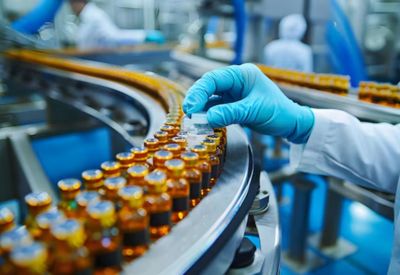
Of the 55 selected participants, several have already commenced commercial production of priority APIs and intermediates, leading to a notable 30–40% increase in domestic output for molecules previously heavily imported from China. This shift has helped stabilize supply chains for essential medicines used in treating diabetes, hypertension, cardiovascular diseases, antibiotics, and oncology, while lowering production costs and improving availability for domestic consumption. The scheme has also contributed to record growth in India’s pharmaceutical exports, with API and formulation shipments showing double-digit increases as new capacities come online.
The government emphasized that the PLI scheme is delivering on its core objectives: reducing India’s reliance on imported APIs (previously 60–70% for many critical categories), enhancing self-reliance under Atmanirbhar Bharat, and positioning the country as a preferred global supplier of affordable, high-quality medicines. Several companies have achieved or are on track to meet their committed investment milestones, unlocking substantial incentive payouts that further fuel expansion. The initiative has also generated thousands of high-skill jobs in manufacturing, R&D, and quality control while supporting ancillary industries such as packaging, logistics, and equipment supply.
Industry leaders have praised the scheme’s design and execution, noting that it has created a virtuous cycle of investment, production scale-up, and export competitiveness. The government reiterated its commitment to monitoring progress closely, ensuring compliance with environmental and quality standards, and exploring further incentives to cover emerging areas like biologics, biosimilars, and advanced therapy platforms. With the scheme’s tenure extending through 2028–29, the momentum is expected to continue driving India’s rise as a global pharma powerhouse.