Healthcare Leadership, Policy & Digital Health News IndiaHealthcare Leadership, Policy & Digital Health News IndiaHealthcare Leadership, Policy & Digital Health News India
  • Home
  • News
  • Articles
  • Exclusive
  • HB Originals
  • Gallery
  • Advertisement
  • Press Releases
Healthcare Leadership, Policy & Digital Health News IndiaHealthcare Leadership, Policy & Digital Health News India
  • Medical Science
Search
  • Home
  • News
  • Articles
  • Exclusive
  • HB Originals
  • Gallery
  • Advertisement
  • Press Releases
Follow US
  • Advertise
© 2025 Health Hub Media Pvt Ltd. All Rights Reserved.
Healthcare Leadership, Policy & Digital Health News India > Blog > Govt Health > Why Peritoneal Dialysis Is India’s Most Under Used Kidney Lifeline

Why Peritoneal Dialysis Is India’s Most Under Used Kidney Lifeline

Published: October 14, 2025
SHARE

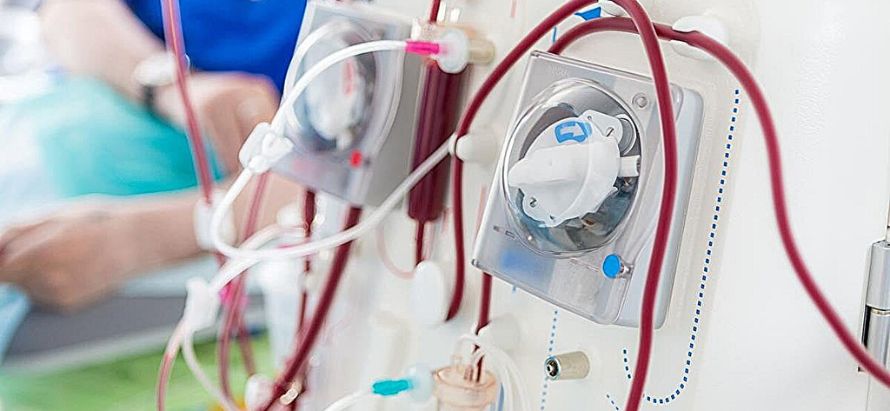
Home-based peritoneal dialysis (PD) could be a game-changer for India’s kidney failure burden but costs, awareness, training, and policy gaps are keeping it from becoming mainstream.

Glimpse:

Peritoneal dialysis offers kidney patients more independence, fewer hospital visits, and lower infrastructure needs than haemodialysis. Yet only a small fraction of Indian end-stage kidney disease patients use PD. Key barriers include high costs for consumables (especially import-dependent supplies), lack of awareness among doctors and patients, limited training, weak reimbursement or inclusion in public health schemes, and regional disparities. States like Kerala, Tamil Nadu, Telangana, Andhra Pradesh, and Chhattisgarh have piloted PD inclusion, but uptake remains low and drop-outs high. Experts are calling for a “PD-first” mindset, better home-based care support, local manufacturing of supplies, and policy reforms to scale PD equitably.

India faces a growing crisis in kidney care: thousands of patients developing end-stage kidney disease each year, limited haemodialysis slots, overburdened hospitals, and huge travel or cost burdens for those in remote or lower-income areas. In this scenario, peritoneal dialysis (PD) a home-based treatment where the patient uses the lining of the abdomen to filter their blood stands out as a powerful, yet under-used, option.

Here’s the rub: despite clear advantages, PD is used by only a tiny minority of patients who need dialysis. According to recent data, only about five percent of all dialysis patients in India are on peritoneal dialysis, even though several states have started including PD in public health programs. Many patients and clinicians still default to haemodialysis (HD), often because HD infrastructure is more visible, hospitals are more equipped, and policies favor HD.

What’s holding PD back?

Cost of supplies & consumables. Many of the fluid bags, catheters, and sterilizing tools are imported or sourced at high cost. This increases out-of-pocket expenses.

Awareness & education gaps. Many kidney patients never hear of PD as a viable option; among nephrologists and primary physicians too, the counseling and training around PD are weaker.

Training and support infrastructure. PD requires caregivers and medical support that patients feel confident about; home hygiene, emergency backup, telephone/remote support, monitoring are all essential but often missing.

Reimbursement & policy limitations. Health insurance or public schemes often cover hospital-based HD more comprehensively. Home PD may not get consistent or sufficient financial support.

Patient factors. Some patients prefer HD because they don’t want to take on the responsibility of home-based therapy; others might be concerned about infection risk, cleanliness, or capacity to manage the supplies daily.

Still, there are bright spots. In places like Kerala, home PD schemes are being rolled out. Some states have started providing PD-related supplies free or subsidised. Expert groups have produced policy and advocacy papers urging changes: a “PD-first” policy, enabling local production of consumables, inclusion of PD in state and national schemes, better training for healthcare workers, telehealth and remote monitoring support for PD users, and more robust patient education.

Scaling up PD could relieve pressure on overcrowded HD units, reduce health inequities in remote areas, and ultimately save costs both for the system and for patients. But for that to happen, India needs conscious shifts in policy, industry, clinical practice, and patient awareness.

“Peritoneal dialysis could rewrite the script for kidney patients far from big cities but only if we make the home option simple, affordable, and supported,”

By

HB Team

Related News

India Enters a New Era of Heart Rhythm Care with First Pulse Field Ablation Launch

May 13, 2026

Apollo Hospitals Expands Mumbai Footprint with Advanced Super Speciality Centre in Dadar

May 13, 2026

Andhra Pradesh Rolls Out Smartphone AI Tool for Early Disease Detection

May 13, 2026

Manipal Health Expands Mumbai Presence with ₹495 Crore Andheri Hospital Acquisition

May 12, 2026

MP Government Approves ₹29,540 Crore Mega Infrastructure Plan with Strong Healthcare Push

May 12, 2026

KIMS Hospitals to Build 500 Bed Super Speciality Hospital in Amaravati

May 12, 2026

West Bengal Hospitals Gear Up for Ayushman Bharat Rollout Amid Surge in Public Interest

May 11, 2026

India Rolls Out Digital Health Cards for Children Under RBSK 2.0 to Strengthen Early Care

May 5, 2026

BPCL Launches Advanced 50 Bed Hospital at Kedarnath to Boost Emergency Healthcare in Himalayas

May 11, 2026

PM Modi Launches High Tech Sindhu Hospital in Hyderabad, Pushes Vision for Advanced Healthcare

May 11, 2026

KD Hospital Launches Advanced KD Cancer Centre in Ahmedabad to Expand Comprehensive Oncology Care

May 8, 2026

IndiaAI & ICMR Join Hands to Accelerate Responsible AI Adoption in Healthcare

May 8, 2026

Bridge Health Launches Flagship Multispecialty Clinic in JP Nagar, Bengaluru

May 7, 2026

ASG Hospital Eyes $500 Million IPO, Targets Expansion Across Tier-2 & Tier-3 India

May 7, 2026

Brajesh Pathak Pushes Tech Driven Healthcare Plan to Eliminate Maternal Deaths

May 6, 2026

Mansukh Mandaviya Inaugurates 100-Bed ESIC Hospital in Karnataka to Boost Worker Healthcare

May 5, 2026

Tele-MANAS Sees Rising Uptake in Andhra Pradesh, Nearly 3,000 Seek Monthly Mental Health Support

May 5, 2026

Apollomedics Hospitals Crosses 500 Robotic Knee Surgeries, Unveils Advanced MISSO Robot

May 5, 2026

Rainbow Children’s Medicare Expands in Bengaluru with New Specialized Hospital

May 5, 2026

Narendra Modi Promises Fast Track Ayushman Bharat Rollout in West Bengal After Historic Win

May 5, 2026
ABDM Implementation Accelerates in Andaman & Nicobar Islands as Pharmacies Mandated to Adopt ABDM-Enabled MIS
Practo Enters US Market Major Global Leap After Successful UAE Launch
DeepTek’s Augmento AI Platform Deployed at Tata Memorial Hospital to Boost Cancer Imaging Workflows
FUJIFILM India Launches FW500 Clinical-Chemistry Analyzer to Expand IVD Footprint in India”
Olympia Orthopaedic Taps Innovaccer’s AI Agents to Turbocharge Referrals & Scheduling
Your browser does not support the audio element.

Contact us

Privacy Policy

Terms & Conditions

HealthBuzz is a leading platform for healthcare news in India, covering hospital leadership updates, health policy developments, digital health innovations, and emerging healthcare startups. Stay informed with the latest insights shaping India’s healthcare ecosystem.

Facebook Twitter Youtube Whatsapp

Quick Links

  • Home
  • Articles
  • HB Originals
  • News
  • Videos
  • Gallery

Company

  • About us
  • Contact Us
  • Privacy Policy
  • Terms & Conditions

Install our Mobile App for Best Experience

Healthcare Leadership, Policy & Digital Health News IndiaHealthcare Leadership, Policy & Digital Health News India
Follow US
Health Hub Media Pvt. Ltd. © 2026 All Rights Reserved
Welcome Back!

Sign in to your account

Username or Email Address
Password

Lost your password?