Glimpse:
In a pioneering move in Gujarat, SSO Cancer Hospital and EPIC Multispecialty Hospital have launched Qure.ai’s AI diagnostic tool to detect small lung nodules (as diminutive as 6mm) in routine chest X-rays. The tool is expected to become a critical part of oncology workflows, enabling earlier suspicion, faster referrals to pulmonology or thoracic surgery, and thus more curative interventions. The partnership was announced during a Seminar on Surgical Innovations in Cancer, where hospital leaders emphasized technology’s role in shrinking delays between detection and treatment. For patients, this could mean fewer late-stage diagnoses and better survival outcomes.
Cancer care in Gujarat just got a tech boost. SSO Cancer Hospital, in collaboration with EPIC Multispecialty Hospital, has brought in Qure.ai’s AI tool to pick up incidental pulmonary nodules tiny growths in the lung that often show up by chance in chest X-rays. Some nodules are harmless, but others can be early signals of lung cancer. The twist here: this tool can identify nodules as small as 6mm, which are usually easy to miss, especially in busy hospitals or with overburdened imaging departments.
Here’s why this matters: earlier detection often means simpler, more effective treatment. When lung cancer is found at an early stage, surgical options, targeted therapies, or other less invasive options are possible. Delays between suspicious findings and diagnosis often lead to worse outcomes, both in terms of survival and quality of life.
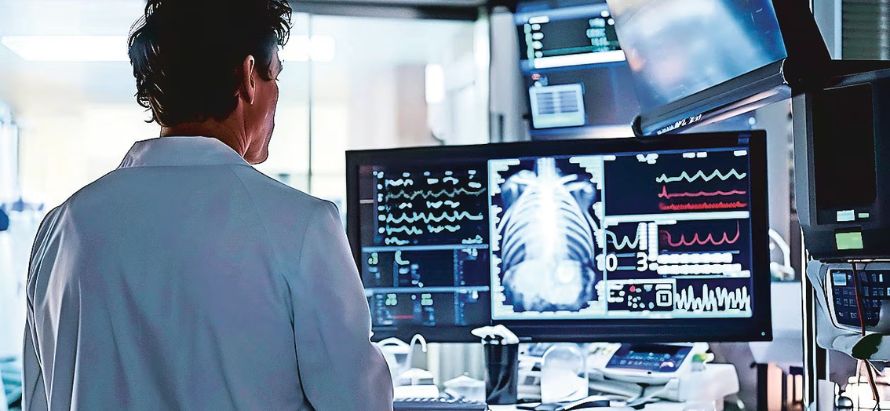
SSO and EPIC are integrating the AI tool into their radiology routines. That means any chest X-ray, even if done for something unrelated, might get an extra AI-layer of scrutiny. If the AI spots nodules, the case is flagged, reviewed, and routed to lung specialists without delay. This setup helps bypass human bottlenecks radiologists busy with high volume, or nodules being overlooked.
Clinicians involved at the seminar emphasized that this isn’t about replacing human medical judgment. It’s about augmenting it making sure nothing slips through, speeding up referrals, and enabling multidisciplinary teams to act quickly. The hospitals hope that with time, this early detection will lead to real improvements in lung cancer survival stats in Gujarat, especially in semi-urban and rural communities where diagnostic delays are more common.
Of course, to make this work reliably, safeguards are needed: training radiologists and technicians to trust and work with AI alerts, ensuring the AI’s false positives are minimized so patients aren’t unnecessarily alarmed, and building workflow protocols so flagged cases are acted on quickly.