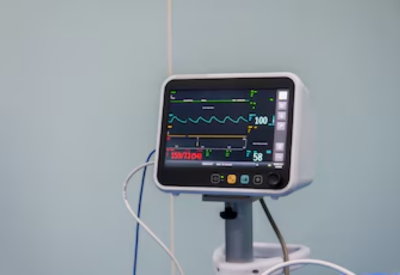
Samsung Electronics announced that it has completed the acquisition of digital-health company Xealth, marking a significant step in Samsung’s strategy to evolve from consumer electronics into comprehensive healthcare services. The agreement, originally signed in July 2025, gives Samsung access to Xealth’s orchestration platform that lets healthcare providers prescribe, deliver and monitor digital health tools including apps, remote monitoring and virtual care within clinical workflows.
With Samsung’s strength in wearables, home devices and sensor technologies, the company plans to integrate patient-generated data (for instance from Galaxy Watches, home smart devices) with hospital systems through Xealth’s platform. This means that wellness activities tracked at home could feed into clinician dashboards, enabling more proactive, personalized care. The acquisition also expands Samsung’s healthcare footprint: Xealth already partners with hundreds of hospitals and dozens of digital-health solution providers, and brings established institutional workflows into Samsung’s ecosystem.
Samsung will maintain Xealth’s brand and leadership team while advancing new pilot programmes across health systems and gradually expanding the integration globally. The vision is to blur the line between wellness and medical care by creating a seamless continuum from home monitoring to clinical intervention. However, the path ahead includes challenges: regulatory compliance (e.g., HIPAA, global data privacy), interoperability across electronic health records (EHRs), and aligning consumer-tech frameworks with hospital regulatory and clinical workflows.