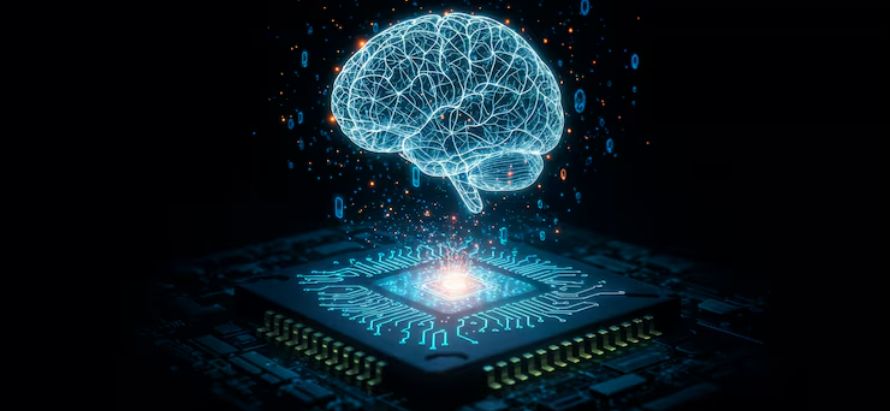
Neuralink founded by Elon Musk has reported that a participant in its ongoing human clinical trial was able to control a webcam using only brain signals.
According to updates posted by Neuralink, the chip implanted in the patient’s brain decoded neural activity linked to intention such as moving a cursor or selecting on-screen controls and translated it into corresponding commands. One of the demonstrated applications: a webcam feed being switched, pointing directions, and focusing all via thought alone.
This achievement builds on previous milestones where Neuralink’s devices enabled control of a computer cursor or playing games through neural intent. The company frames this as a key step toward longer-term goals of restoring communication, mobility and digital access for individuals with spinal cord injury, ALS or other severe neurological conditions.
Despite the breakthrough, important considerations remain: long-term safety of implants, regulatory pathways for clinical use, integration with healthcare systems, cost, durability and ensuring equitable access. Neuralink’s head of healthcare strategy noted that while the device enables digital control, physical mobility restoration remains a future phase.
The event highlights how neurotechnology, AI and human-machine interfaces are converging to enable new forms of interaction. It also signals how future healthcare, rehabilitation and accessibility solutions may lean heavily on embedded systems that decode brain intent, rather than relying solely on muscle control or voice. As Neuralink advances, the broader industry will watch for how these technologies transition from demonstrative tasks to enabling daily independence and health outcomes.