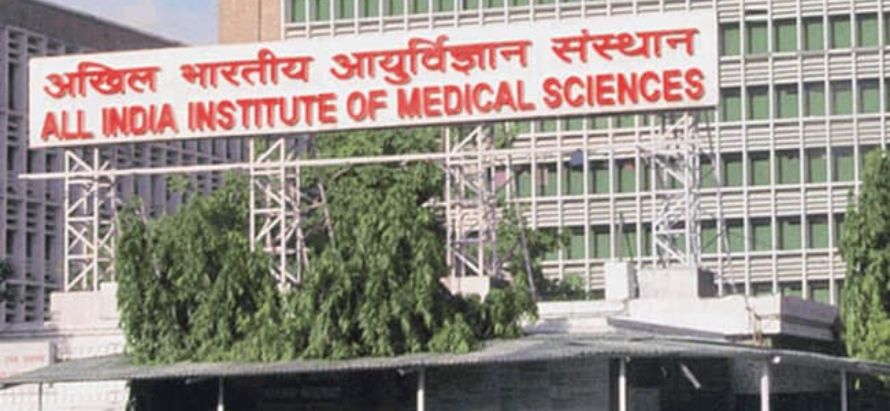
In a landmark step for AI-enabled eye care in India, the All India Institute of Medical Sciences (AIIMS) has launched MadhuNETrAI, a mobile application developed in collaboration with the Ministry of Health’s e-Health division and Wadhwani AI. Dubbed India’s first “fully validated” AI screening tool for diabetic retinopathy (DR), the app aims to tackle one of the leading causes of vision loss among people with diabetes.
The AI model behind MadhuNETrAI was trained and tested on a large dataset — over 3,000 to 4,000 retinal images were validated out of nearly 13,000 images delivering more than 95% detection accuracy. Once uploaded through a fundus camera, the app classifies the retina scan into categories like “normal,” “mild DR,” or “moderate-to-severe DR,” helping non-specialist health workers make informed screening decisions.
A key advantage of MadhuNETrAI is its usability in low-resource and remote settings. The developers are working to make the app compatible with affordable fundus cameras and even smartphones with or without continuous internet connectivity. This could be a game-changer for rural clinics and district hospitals, where specialist ophthalmologists are often unavailable. According to Dr. Rohan Chawla, a retina specialist at AIIMS, the app’s design is geared toward empowering frontline health workers to screen more effectively and refer only those in need of specialist care.
The development team has shared that MadhuNETrAI is being evaluated by the Central Drugs Standard Control Organisation (CDSCO) as a medical device. Once approved, AIIMS aims to scale it across the country especially in primary health centres to help prevent diabetes-related blindness. However, one of the current bottlenecks is the cost of the fundus camera, approximately ₹3 lakh per unit. Despite that, by improving early detection and access, MadhuNETrAI has the potential to significantly change the landscape of diabetic eye screening in India.