Glimpse:
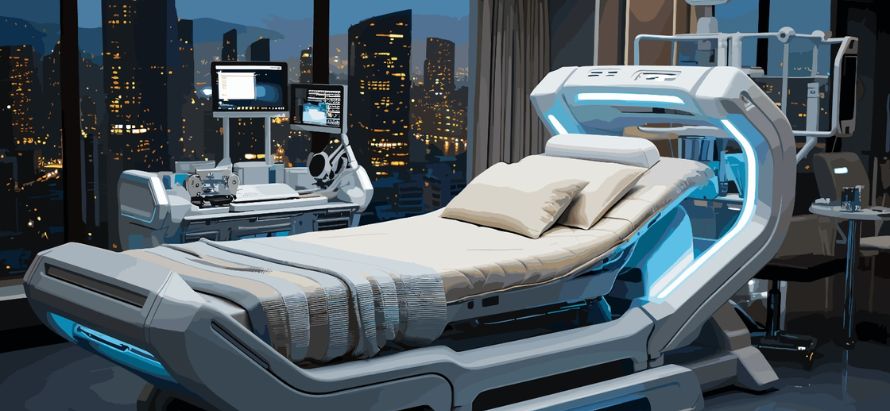
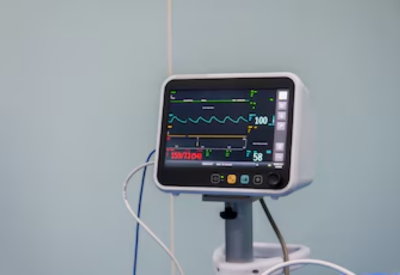
Researchers have developed a non-invasive vital signs monitoring hospital bed capable of real-time tracking of heart rate, respiratory rate, blood oxygen levels and more without the need for traditional contact sensors. Using contactless technologies (such as radar and sensor arrays), the bed aims to bring continuous, ICU-grade surveillance to step-down units and regular wards, enhancing patient comfort, early clinical detection, and operational efficiency while reducing risks associated with wearable probes.
Imagine being in a hospital bed that watches over you without wires, sticky patches, or beeping overhead monitors. That’s the promise behind a new non-invasive vital signs monitoring bed that’s generating interest among researchers and clinicians alike. The concept is simple yet powerful: a hospital bed capable of tracking critical physiological parameters continuously from heart rate and breathing to oxygen saturation without the traditional array of probes and cables.
Traditional ICU monitoring is effective, but it tends to tether patients to machines. Wearable sensors, chest leads, oximeters and cables can be uncomfortable, restrict mobility, irritate fragile skin, and even contribute to infection risk. Non-invasive beds use advanced sensor technologies such as radar, pressure arrays, and signal-processing algorithms embedded into the mattress and frame to collect vital data as patients rest.
The technology can effectively transform step-down units and general wards into environments where clinicians have near-ICU visibility of patient status. Early warning signs like subtle changes in respiratory pattern or declining oxygen saturation could trigger alerts sooner, enabling faster clinical intervention. For patients recuperating after surgery or stabilising from acute illness, this combination of comfort and vigilance is a huge win.
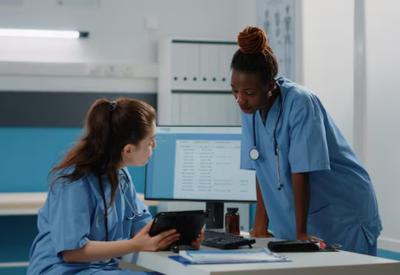
Beyond clinical impact, there are operational benefits too. Nurses and clinicians spend a significant amount of time attaching, adjusting, and re-checking traditional sensors. A contactless bed reduces that burden, allowing staff to focus more on direct patient care rather than technical upkeep. And from a patient perspective, fewer wires means better sleep, less anxiety, and more dignity during hospital stays.
Of course, the technology will still need robust clinical validation, regulatory approvals, and real-world trials in diverse settings before it becomes mainstream. But if early results are any indication, non-invasive monitoring beds could be a key bridge between high-acuity ICU care and everyday ward surveillance making critical-care vigilance more humane, scalable, and patient-friendly.