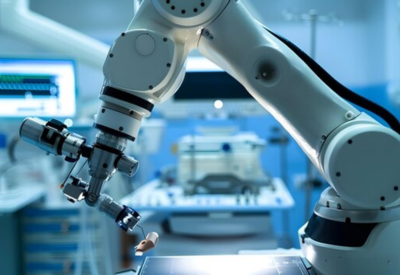
Not long ago, artificial intelligence in healthcare sounded like science fiction. Today, it’s quietly embedded in hospital corridors, diagnostic labs, and even patients’ smartphones reshaping care in ways both visible and behind the scenes.
At its core, AI excels at one thing humans struggle with: processing vast amounts of data at speed. In healthcare, that data comes from medical images, lab results, electronic health records, genomic profiles, and even wearable devices. AI systems can analyse these datasets to detect patterns, flag risks, and surface insights that might take humans days or even weeks to uncover.
One of the most visible impacts is in diagnostics. AI-powered tools are improving accuracy in radiology, pathology, cardiology, and oncology by assisting clinicians in spotting subtle abnormalities earlier. Rather than replacing doctors, these systems act as a second set of eyes reducing oversight and boosting confidence in high-stakes decisions.
Beyond diagnosis, AI is streamlining the operational side of healthcare. Administrative tasks like documentation, scheduling, billing, and patient triage consume a huge portion of clinicians’ time. Intelligent automation and virtual assistants are helping reduce this burden, freeing doctors and nurses to focus more on patient care and less on paperwork.
AI is also accelerating the shift toward personalised medicine. By combining genetic data, lifestyle factors, and clinical history, AI models can help tailor treatments to individual patients predicting how someone might respond to a therapy rather than relying on one-size-fits-all approaches.
In hospitals, AI is improving predictive care identifying patients at risk of deterioration, hospital readmission, or complications before symptoms escalate. This proactive approach enables earlier interventions, better outcomes, and more efficient use of resources.
Yet, the transformation isn’t without challenges. Questions around data privacy, algorithm bias, explainability, and regulatory oversight remain front and centre. Healthcare leaders are increasingly recognising that trust, transparency, and ethical governance must evolve alongside innovation.
The future of AI in healthcare isn’t about machines replacing clinicians it’s about augmenting human intelligence. When thoughtfully implemented, AI becomes a partner in care, enhancing precision, efficiency, and compassion across the health journey.
As technology continues to mature, one thing is clear: AI isn’t just changing how healthcare works it’s changing what’s possible.