Glimpse:
Philips showcased its newest portfolio of AI-led healthcare innovations in Bengaluru, including smart imaging tools, predictive analytics platforms, automated workflow solutions, and patient engagement technologies. The event drew clinicians, administrators, tech leaders, and health innovators, emphasising how AI and data can enhance diagnostics, streamline operations, and support personalised care pathways across hospitals and community settings.
In the vibrant tech hub of Bengaluru, healthcare met high-tech as Philips unveiled its latest suite of AI-driven health innovations designed to elevate the way care is delivered, from diagnostics to patient engagement.
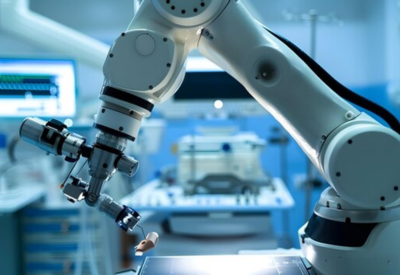
Hospitals today grapple with massive data streams, clinician workloads, and rising expectations for precision. Philips’ showcase put those challenges front and centre and illustrated how artificial intelligence can help turn complexity into clarity. Attendees saw AI-powered imaging platforms that assist radiologists in spotting subtle patterns, automated workflow tools that reduce bottlenecks in clinical documentation and scheduling, and predictive analytics engines that help care teams anticipate patient risk before deterioration occurs.
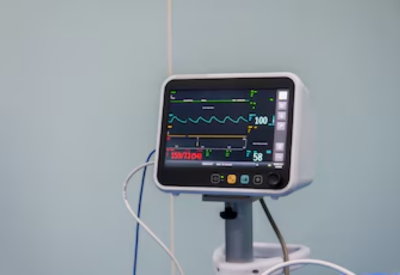
But Philips didn’t stop at the hospital walls. Consumer-facing technologies were also featured, from remote monitoring tools that bring continuous vital tracking into the patient’s home, to digital apps that help individuals manage chronic conditions with personalised insights. The idea is to close gaps between acute care and everyday health, so that data collected at home informs clinician decisions in the clinic.
The Bengaluru event brought together healthcare leaders, clinicians, policy practitioners, and innovators keen to explore how AI can be responsibly deployed. Conversations focused on augmenting clinical expertise, not replacing it using AI to reduce repetitive tasks, highlight actionable insights, and help care teams spend more time with patients rather than on screens.
In demonstrations and panel discussions, Philips highlighted partnerships with hospitals where AI tools have helped improve diagnostic turnaround times, reduce readmissions, and enhance workflow efficiency. The emphasis was on real-world impact not just theoretical promise how digital health in action can support quality, safety, and operational resilience.
For a city known as India’s tech and innovation capital, the event underscored a broader industry shift: healthcare isn’t just becoming digital it’s becoming smarter, data-guided, and patient-centric. And vendors like Philips are pushing the ecosystem toward that future.