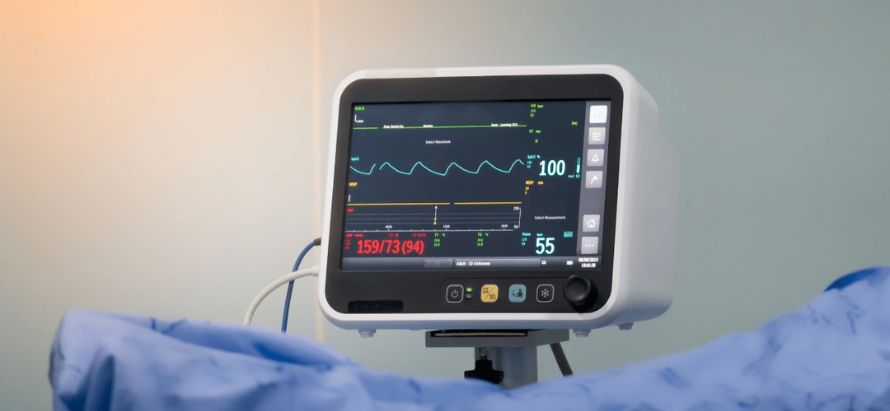
India’s cardiovascular monitoring devices market is forecast to grow significantly over the next decade, reaching an estimated $1.53 billion by 2036, according to industry outlook reports. This growth trajectory is being fuelled by multiple factors, including the increasing prevalence of cardiovascular diseases, broader adoption of home-based and hospital-grade monitoring tools, and the rapid integration of artificial intelligence (AI) into device ecosystems.
The upward trend resonates with a broader shift toward continuous patient monitoring, preventive care and telehealth, especially as clinicians and patients increasingly turn to digital tools that provide real-time insights. Wearable sensors, portable electrocardiogram (ECG) devices, AI-assisted algorithms for early detection of arrhythmias, and cloud-connected monitoring platforms are among the innovations contributing to market expansion.
Demographic factors are also key drivers, with India’s aging population and rising incidence of conditions such as hypertension, coronary artery disease and heart failure increasing demand for reliable monitoring solutions. Healthcare providers are emphasising early detection and ongoing risk assessment, spurring investments by hospitals, health systems and consumers in advanced monitoring technologies.
AI plays a central role in this transformation. By enabling predictive analytics, pattern recognition and automated alerting, AI-enabled cardiovascular tools help clinicians and caregivers identify risks sooner and tailor patient-specific management plans. These capabilities make monitoring more effective, reduce unnecessary hospital visits and support remote care models that are gaining traction across urban and rural settings.
Market analysts note that regulatory frameworks, increased healthcare spending, and rising patient awareness of cardiac health further reinforce the long-term growth outlook. Industry participation by global device manufacturers particularly those integrating smart analytics and cloud connectivity is expected to boost competition, improve affordability and spur localisation of high-tech cardiovascular solutions within India.