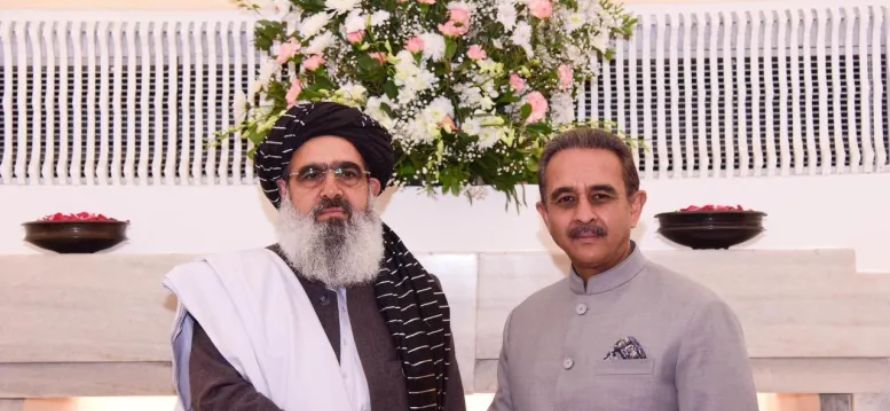
India and Afghanistan have renewed and strengthened their longstanding healthcare partnership, with a strong emphasis on advanced diagnostics to address gaps in Afghanistan’s fragile health system. Afghan Minister of Public Health Mawlawi Noor Jalal Jalali’s landmark visit to New Delhi from December 16-21, 2025 the first by an Afghan health minister under the current administration underscored India’s role as a reliable partner in humanitarian and medical support.
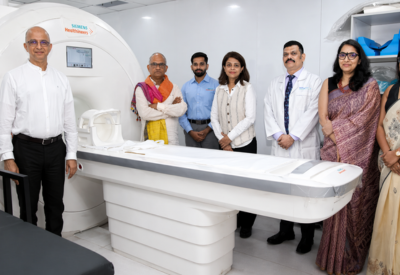
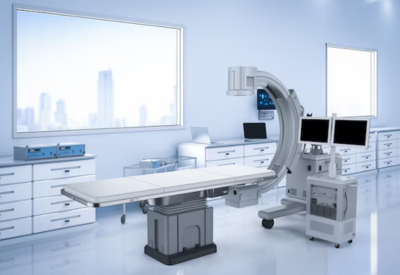
During bilateral talks with Union Health and Family Welfare Minister J.P. Nadda, both sides reviewed ongoing cooperation and reaffirmed India’s commitment to sustained assistance. A symbolic handover of cancer medicines and vaccines took place, with a larger consignment including essential drugs, vaccines, and a 128-slice CT scanner set for dispatch by the end of December 2025. This advanced imaging equipment will significantly enhance diagnostic capabilities for complex conditions like cancer and trauma in Afghanistan.
The discussions also covered existing India-supported projects, such as five maternity and health clinics in Paktia, Khost, and Paktika provinces, a 30-bed hospital in Kabul, and upgrades to specialized facilities including an Oncology Centre, Trauma Centre, Diagnostic Centre, and Thalassemia Centre in the capital. Proposals for additional support, including a radiotherapy machine, are under active consideration.
Minister of State for External Affairs Kirti Vardhan Singh and Jalali explored the formation of a Joint Working Group on Health to institutionalize dialogue, coordinate priorities, and advance projects like cancer treatment facilities and deployment of Indian medical teams for training Afghan professionals. Capacity-building efforts build on successes like the Jaipur Foot camp in Kabul (June 2025), with plans for expansion.
In parallel, Jalali met Minister of State for Ayush Prataprao Jadhav to deepen ties in traditional medicine (Ayurveda, Unani, Homeopathy), focusing on education, research, regulation, and integration as cost-effective complements to modern care—particularly relevant for rural Afghan communities.
This engagement comes amid regional supply chain disruptions, positioning India as a key alternative for pharmaceuticals and advanced diagnostics. India has issued over 500 visas to Afghans in recent months (including 200+ medical visas for cancer care, trauma, and diagnostics), and continues free treatment for serious cases.
The collaboration reflects India’s people-centric approach, combining modern technology with humanitarian aid to improve health outcomes in Afghanistan.