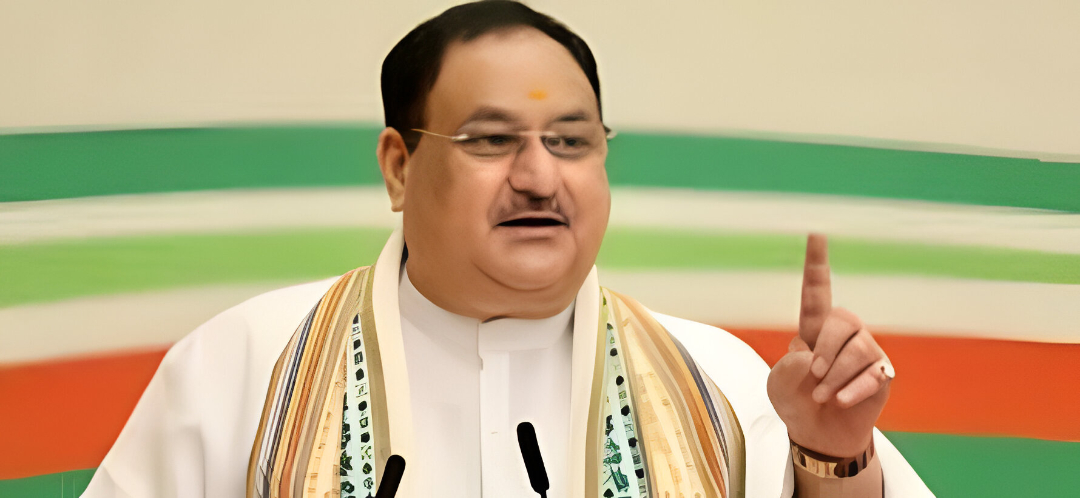
India is taking bold strides to integrate artificial intelligence (AI) with its ancient traditional medicine systems, marking a transformative moment for global healthcare. During the 2nd WHO Global Summit on Traditional Medicine held from December 17-19, 2025, at Bharat Mandapam in New Delhi, Union Health and Family Welfare Minister JP Nadda highlighted how AI is being pioneered to strengthen research, standardization, clinical validation, and evidence-based integration of AYUSH (Ayurveda, Yoga & Naturopathy, Unani, Siddha, and Homoeopathy).
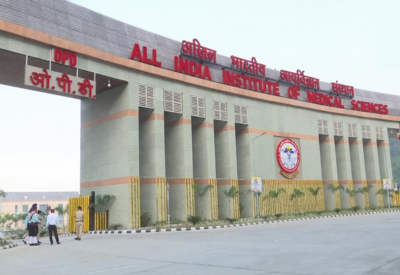
The government has shifted from a purely curative model to a holistic one emphasizing prevention, health promotion, geriatric care, and integrative approaches. AYUSH blocks have been established in AIIMS institutions, and Centres for Integrative Medicine are bridging traditional wisdom with modern science for humanity’s benefit.
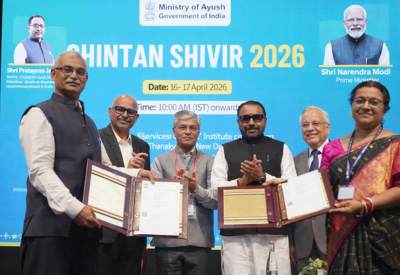
A major highlight was the launch by Prime Minister Narendra Modi of the My Ayush Integrated Services Portal for seamless digital connectivity of AYUSH services, and the Ayush Mark as a global quality benchmark for products and services. These digital tools, supported by AI-enabled repositories, facilitate real-time data sharing, global collaboration, and evidence generation.
AI applications are powering predictive diagnostics (e.g., Prakriti-based machine learning), personalized preventive care, drug interaction analysis, and even Ayurgenomics—merging Ayurvedic body constitution principles with modern genomics. Broader efforts include developing India-specific generative AI chatbots and platforms like the Ayush Grid, which serves as a comprehensive digital backbone for users, researchers, and regulators.
This initiative builds on India’s global leadership, including its proposal for a dedicated WHO working group on AI in traditional medicine (accepted by WHO, ITU, and WIPO). The summit also advanced the WHO Traditional Medicine Strategy 2025–2034, focusing on evidence, regulation, and systems integration.
These developments position India not just as the “pharmacy of the world” but as a leader in AI-augmented holistic care, making traditional systems more accessible, validated, and relevant in addressing modern health challenges like non-communicable diseases and wellness.