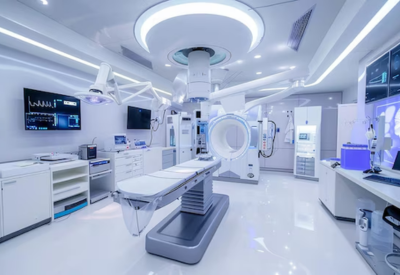
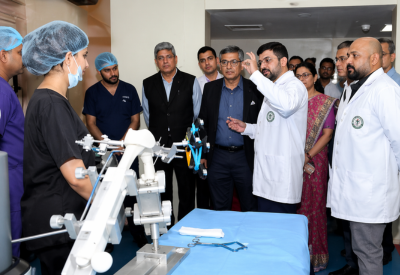
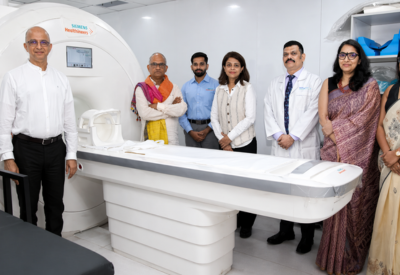
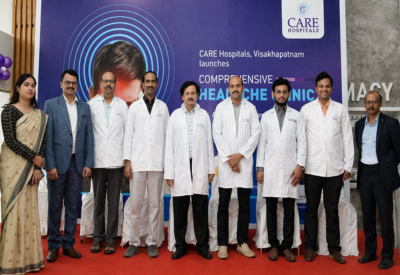
India’s medical technology (medtech) landscape is witnessing a wave of innovation that is reshaping healthcare delivery and expanding the reach of advanced clinical solutions across the country. Fueled by a dynamic startup ecosystem, government support for domestic manufacturing, and rapid digital adoption, Indian medtech innovators are creating cost effective, scalable, and context appropriate devices and platforms.
A key driver of this transformation is the intersection of digital health and artificial intelligence. Startups are leveraging machine learning models to deliver early disease detection, automate imaging interpretation, and enable predictive analytics for care management. These tools are helping clinicians make faster, more accurate decisions, especially in resource constrained settings where specialist expertise is limited.
Another area of rapid progress is point of care diagnostics. Innovations in portable diagnostics, biosensors and mobile health solutions are enabling tests for conditions such as diabetes, infectious diseases and cardiovascular risk to be performed outside traditional laboratory environments. These tools are reducing the time and cost of diagnosis, supporting mass screening initiatives, and helping bring care closer to patients’ homes.
The medtech manufacturing landscape has also evolved significantly. Incentives such as production linked schemes, device park infrastructure and regulatory reforms have encouraged local production of complex devices including imaging systems and high end therapeutics delivery tools that were previously imported. This localisation is enhancing supply resilience and addressing cost barriers that have historically limited access to advanced technologies in smaller cities and rural regions.
Public private partnerships are further accelerating innovation. Collaborations between academic research institutions, hospitals and industry are supporting clinical validation of devices, user centric design, and real world evidence generation. Startups are also increasingly partnering with established corporations to scale distribution networks and reach larger patient populations.
Regulatory support has played a role in enabling faster adoption of innovative technologies. Streamlined approvals for digital health tools, clear pathways for clinical evaluation, and pilot programs in public health facilities are helping mature solutions reach implementation faster.
Investors have taken note of India’s growing medtech potential, with venture capital and strategic funding flowing into companies building digital diagnostics, AI-powered clinical support tools, and advanced therapy support devices. This capital influx is helping bridge early stage development gaps and bring prototypes closer to commercialisation.
As India’s medtech ecosystem continues to evolve, the focus remains on affordable innovation, accessibility, and equitable healthcare outcomes. Industry experts say that by combining technological innovation with cost-effective design and strong distribution strategies, Indian medtech can not only address domestic health challenges but also compete on the global stage particularly in emerging markets looking for scalable, impactful solutions.