San Francisco based startup Epia Neuro has officially launched with a proprietary brain computer interface (BCI) platform designed to help stroke survivors regain motor function and independence. The system combines a minimally invasive, long-lifetime “read/write” BCI implant with assistive devices and AI-driven support to translate neural intent into functional movement.
Glimpse:
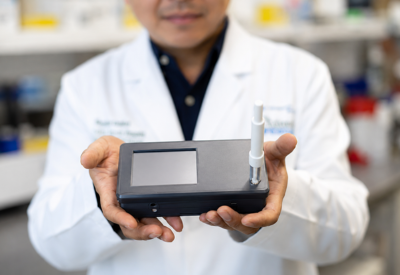
The platform features a discreet, disk shaped implant placed within the skull in under an hour. It detects brain signals related to movement intent and pairs with assistive tools such as a motorized glove for hand grip rehabilitation. The technology supports both acute recovery and long term assistive living. First-in-human demonstrations are planned for later in 2026 at Lenox Hill Hospital in New York.
Epia Neuro, a newly launched brain computer interface company based in San Francisco, has introduced an innovative neural technology platform aimed at restoring meaningful function for people affected by stroke and other neurological conditions. The company’s lead product integrates a minimally invasive “read/write” BCI implant with assistive devices and AI algorithms to interpret neural signals in real time and convert them into practical actions.
The implant is designed for surgical scalability and long-term durability. It is placed discreetly within the skull through a minimally invasive procedure that takes less than an hour and remains completely invisible externally. The device is charged wirelessly via a non-invasive headset and can be replaced or upgraded as needed. By sensing signals at both cortical and deeper brain levels, the system enables two way interaction with neural pathways.
A key feature is the integration of AI that combines neural data with contextual information from external sensors to predict user intent and drive assistive actions. For stroke recovery, the platform initially focuses on upper limb rehabilitation, such as enabling hand grip movement through a motorized prosthetic glove during therapy sessions or daily use. This dual-phase approach supports both post stroke rehabilitation to reinforce neural pathways and long-term assistive living for greater independence.
CEO Michel Maharbiz emphasised the company’s mission to help individuals remain fully present in their lives. The technology is also being developed with future applications in cognitive decline and other neurological disorders in mind, addressing the needs of an ageing population.